0
Ah, Only You
(My Muse, can create this) Frame of mind

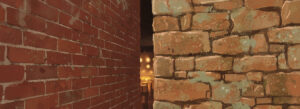
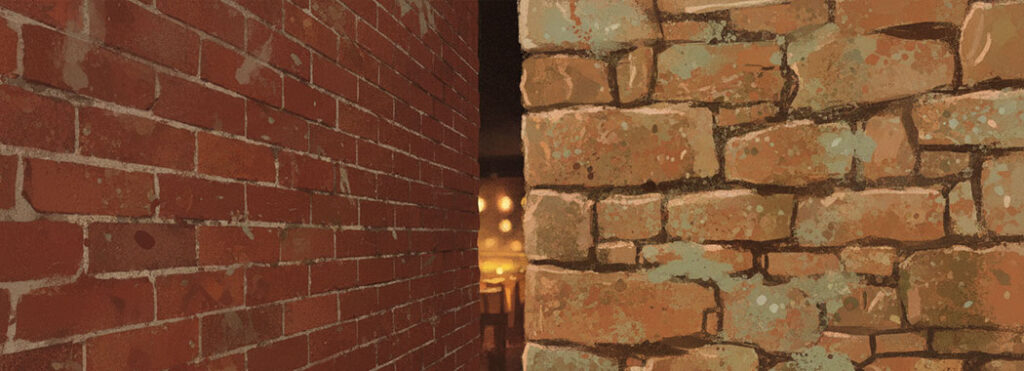
A compact poem about emotional defenses—two people building separate walls from different materials, who might collide at an ordinary restaurant, and discover that their individual fragility becomes universal strength when the walls stand side by side rather than apart.
Plahm takes one of poetry’s most worn-out metaphors—the emotional wall—and revitalizes it through materiality, specificity, and comic misdirection. The opening is architecturally precise: “I’m building one. / Red brick. / You’re building one. / Amber stone.” The color and material distinction is crucial—these are not identical defenses but individual ones, built from different life experiences, different temperaments, different fears. Red brick is utilitarian, urban, working-class; amber stone is warmer, more organic, more deliberately chosen. Two people, two walls, two vocabularies for self-protection. Then the poem detonates its own seriousness. The “desert” where the walls might meet turns out to be a restaurant district—sushi place, Chinese joint, refried beans Mexican restaurant, bare-bones patriot Midtown Diner. The catalog is simultaneously funny and sociologically precise: these are the democratic spaces where strangers actually encounter each other, where walls built in private get tested in public. The word “bare-bones patriot” for the diner is a tiny character sketch in three words—you can see the place, the flag on the wall, the coffee refills. The crash is the poem’s structural climax: “As they crash together— / they fall as one, / each in their own direction.” This is counterintuitive and exactly right—the walls don’t merge or blend; they fall as one unit but in separate directions, maintaining individual identity within shared collapse. The philosophical coda—”Walls are infinite / until they meet / another wall”—is the poem’s most quotable line and its deepest insight: our defenses feel permanent only as long as they remain untested by contact with another person’s defenses. The closing three lines convert fragility from weakness into potential: two fragile walls, side by side, become universally strong. The poem is an argument for partnership as structural engineering.
A poem that rescues one of the most overused metaphors in the language—the emotional wall—by grounding it in materials, geography, and humor. The material specificity of the opening (red brick versus amber stone) is a small decision that pays enormous dividends: it transforms the wall from abstraction into architecture and gives the two people different aesthetic signatures before they’ve even met. The restaurant catalog is the poem’s secret weapon—comic, democratic, deeply American in its multicultural variety, and structurally essential as the “desert” where private walls encounter public life. The word “bare-bones patriot” is a masterclass in compression: three words that paint a complete diner, complete with clientele and decor. The crash-and-fall image is the poem’s most philosophically interesting moment: the walls don’t destroy each other or fuse into one; they fall together while maintaining separate trajectories, which is a more nuanced and honest model of partnership than the usual “two become one” formula. The aphorism “Walls are infinite / until they meet / another wall” has the quality of something that should already have been said by someone famous—it feels discovered rather than invented, which is the highest compliment for a philosophical line. The closing pivot from fragility to strength is the poem’s emotional payoff, and the word “universal” does important work: this isn’t just these two walls but a principle, a physics of human connection. Where the poem could push further is in developing the middle section—the restaurant encounters could sustain more specific observation (what happens at the sushi bar when the walls get close?) rather than remaining a list. But the compression is also the poem’s style, and at this length, every line earns its place. A poem that builds better by acknowledging what it’s building with.
(My Muse, can create this) Frame of mind
My muse— You are the alchemist a wizard
I will, cure you Citizen, with smiles, vibes,
Today, I touched the truth of time— A
Why do I spoil thee? For the favours
Two millennia whisper their wisdom— a quiet hymn
If I touch you— skin to soul, will
The personal version: one of individual love. Lyric
Our Last Touch— Was Cuddle me Cuddle you
CooooooooBaaaaaaaaa! Logically, Geographically, Culturally, Linguistically, Legally, Economically, Strategically,
In poetry’s vast pantheon, I’m just a sliver
My mom and dad hung on the wall
Santa readies his sleigh, laden with gifts— and
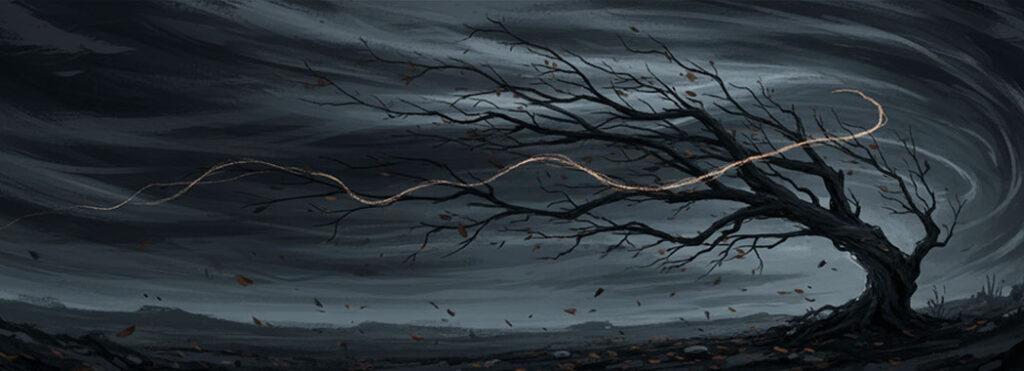
Hushed, I find— knowing the sound of a
So, what do you know, while— I Collapse
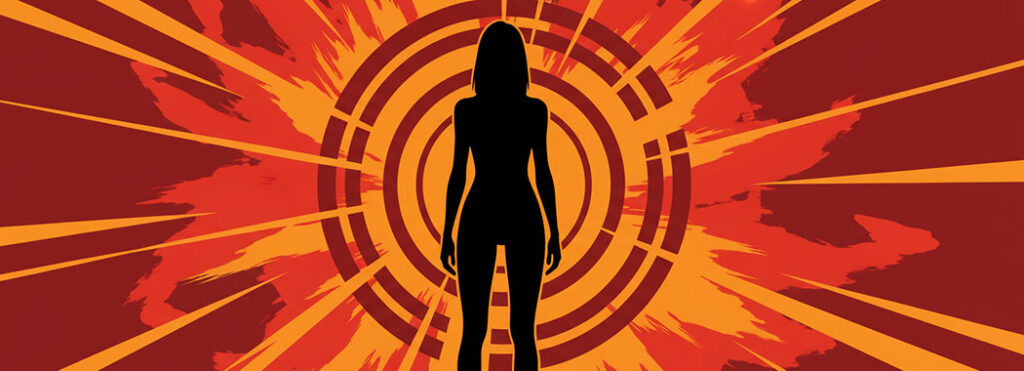
You’re a good-looking woman. Terribly full of logic.
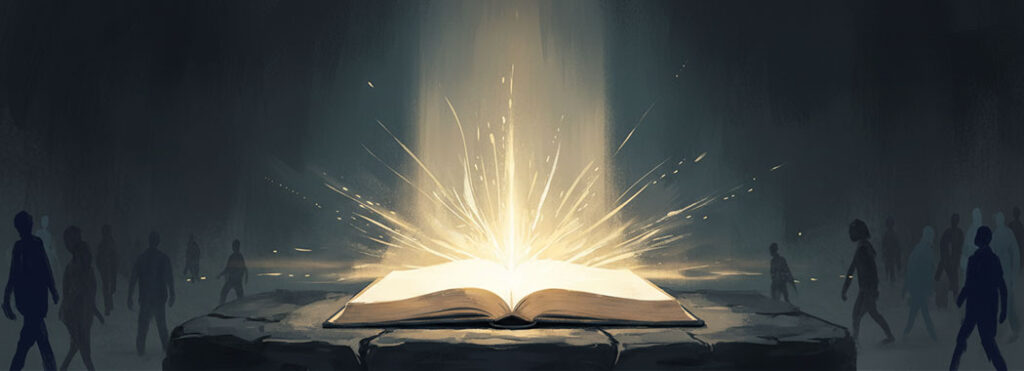
I’m tired of deaf ears blind eyes ignorant
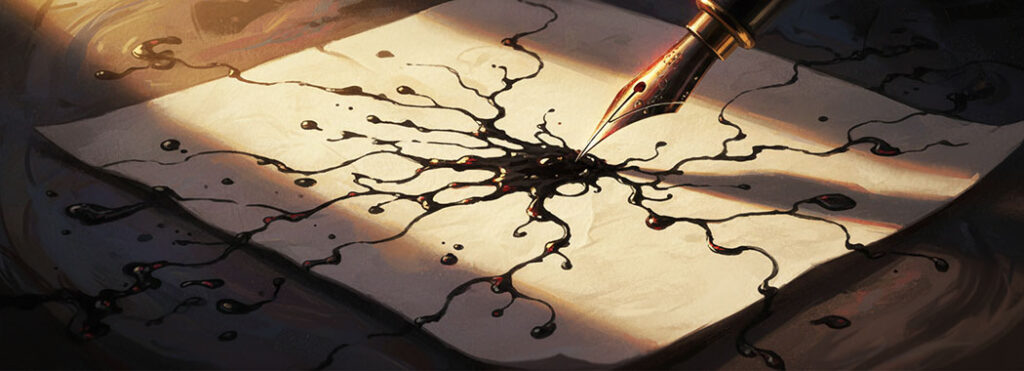
I’m a designer, form follows function, human fit—
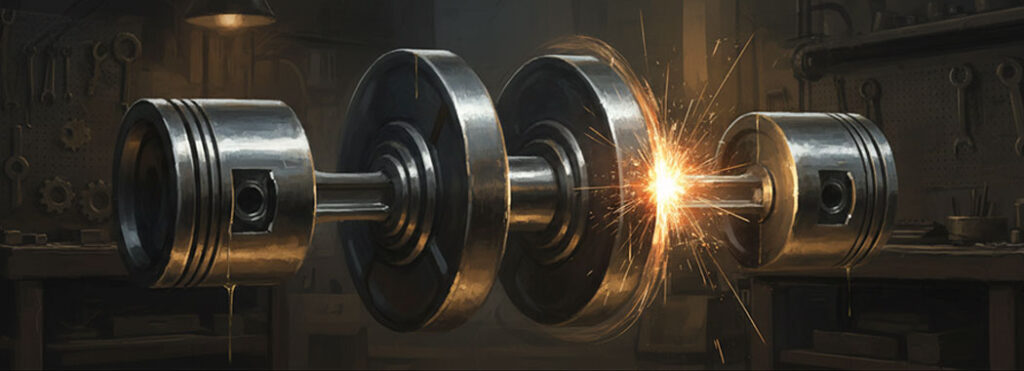
Reciprocity— two pistons pumping back and forth on
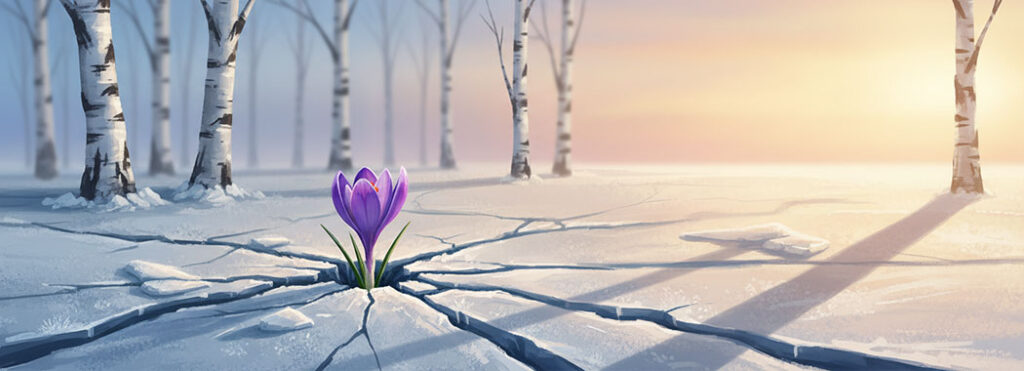
Barefoot at winter’s fading light, I dance—unrobed, unafraid.
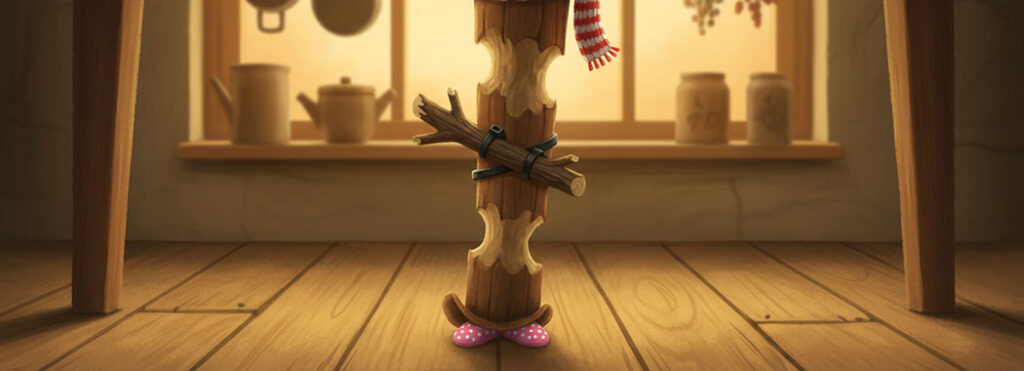
I left the bar at 2 After telling

Not just part of eternity— eternity now a
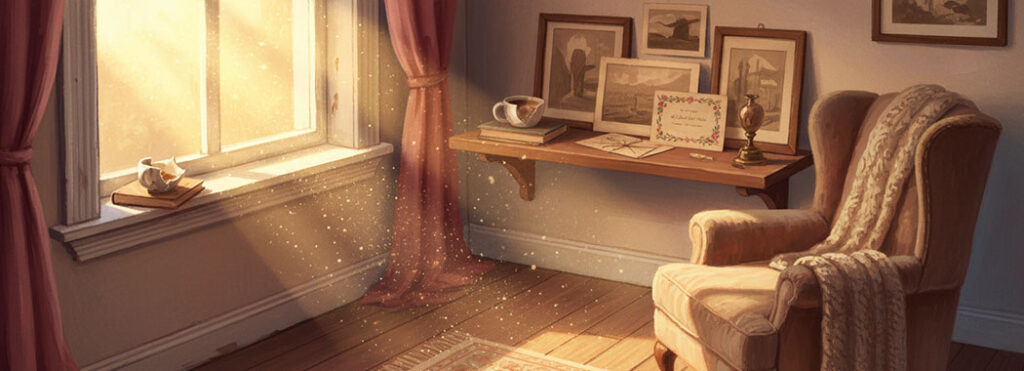
I can only hope I’ve earned the right
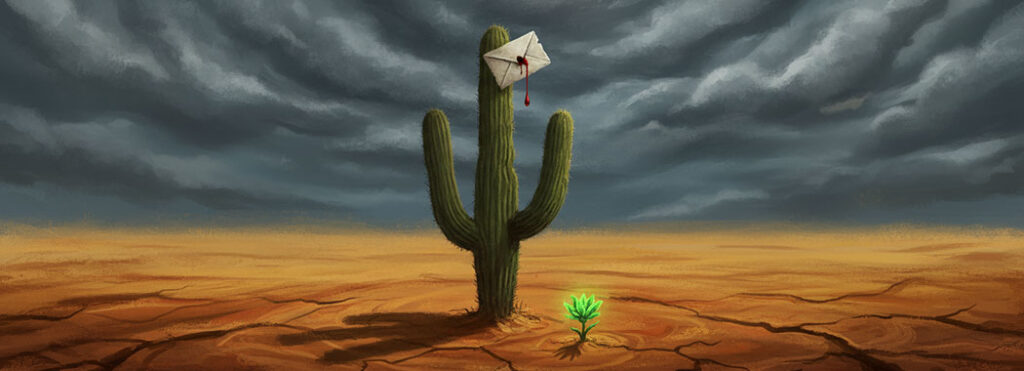
(a letter mailed to a cactus) An orator
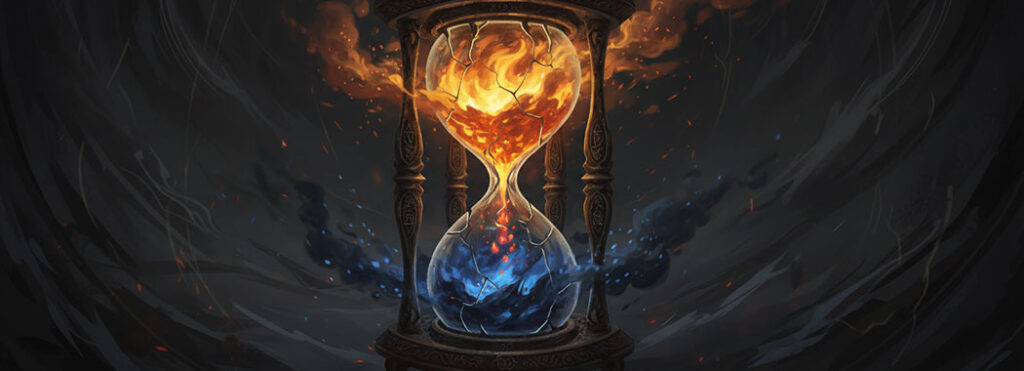
Time The first fire. Is my friend And
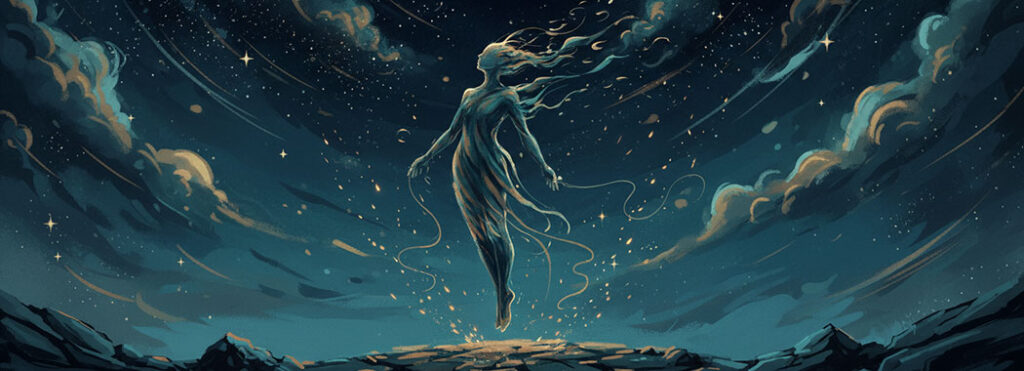
Why do I spoil thee? With praises of
Launched at 120425;3:26AM. I fell asleep dreaming peacefully
My knees ache and creak in the morning
In my never-ending desire to write a poem
I find truth simple, emotions, however, hmmm… Incendium
Vegas at night a slot about to spill
Is that our story? missing? lost? a longing—
A lovely visage of beauty walking towards me—

Stability, flexibility, and mystery— if that’s what you
This one is half baked… I scribbled it
it was a dream i woke to this
(A life affirming trifle) When I step into
Two little love doves perch on my windowsill,
Teach Us (From the boardroom to the bedroom
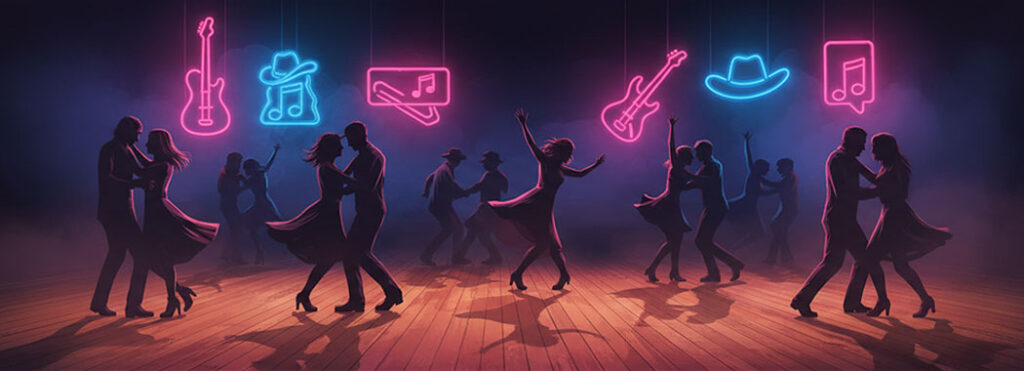
An inspiration from a ZZ Top song on
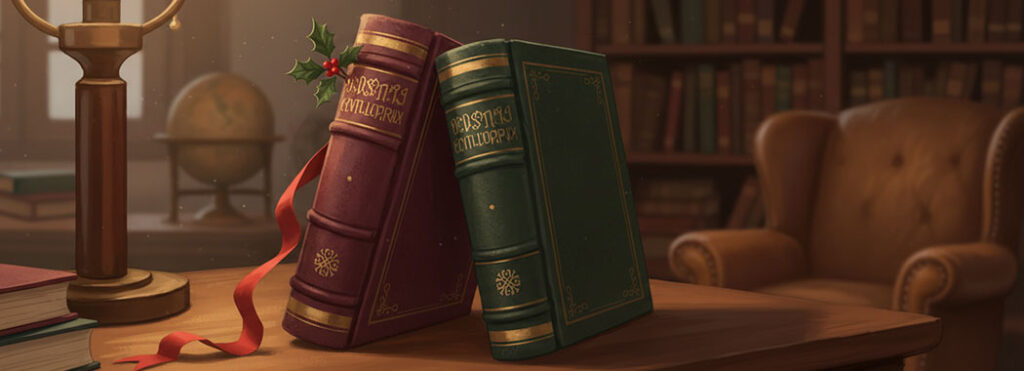
(A Christmas Hope) When you ask a foolish
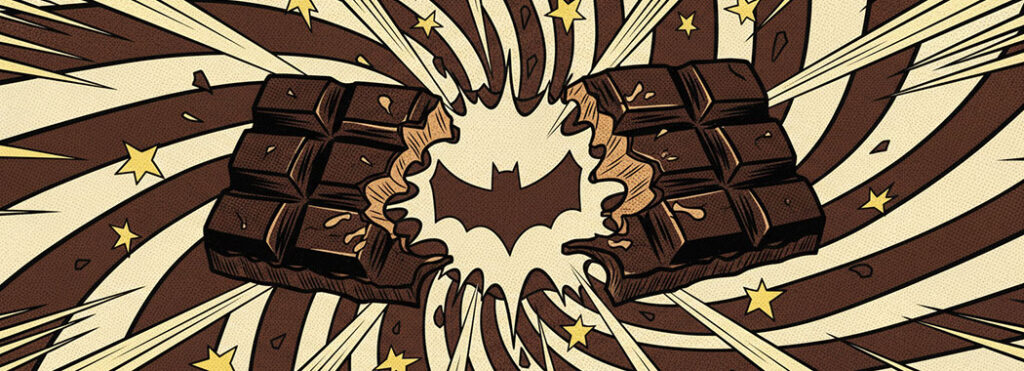
Part III The Dark Bite Rises A Comic
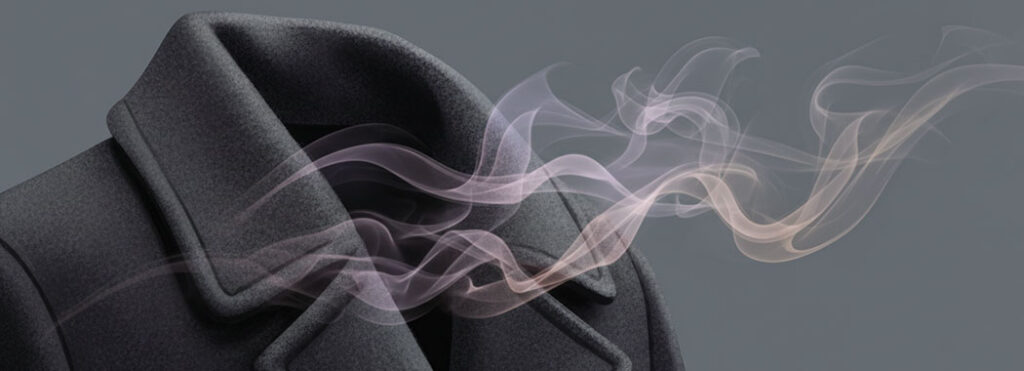
Can I? I might need ears of wax—
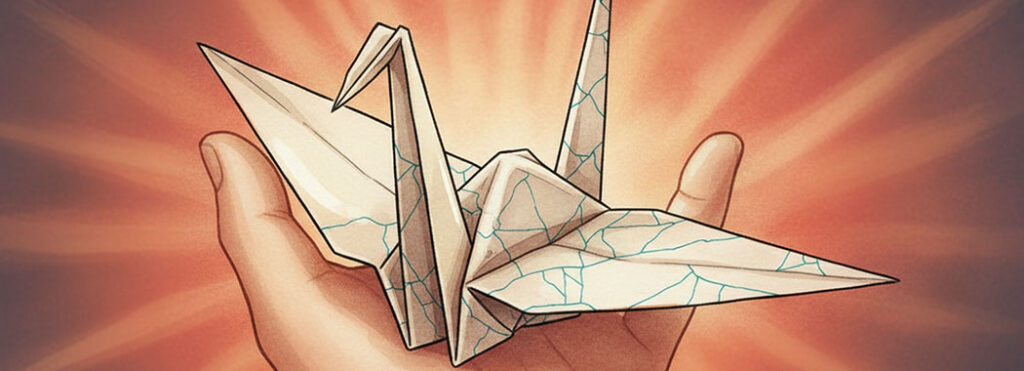
Fluidly Fractured —shaken, not stirred You— can sit,
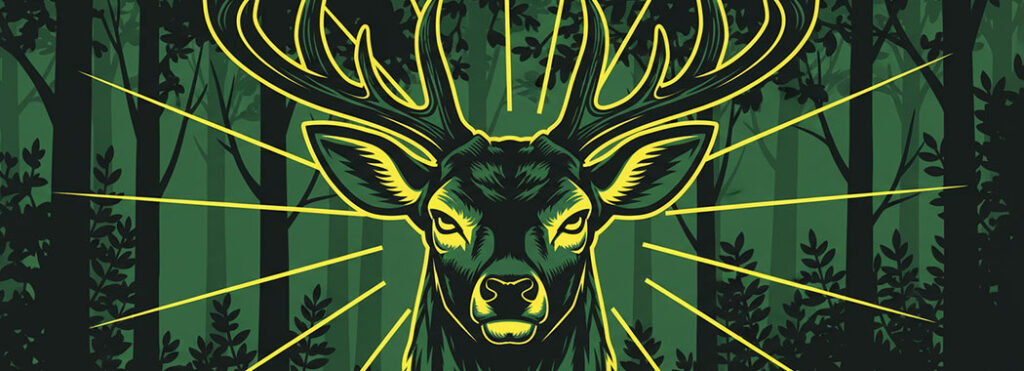
Life is Aggression. The hitter survives; the hit
Death—Rebirth Requiem—Resurrection Life—Forever The veil of life, lifted-
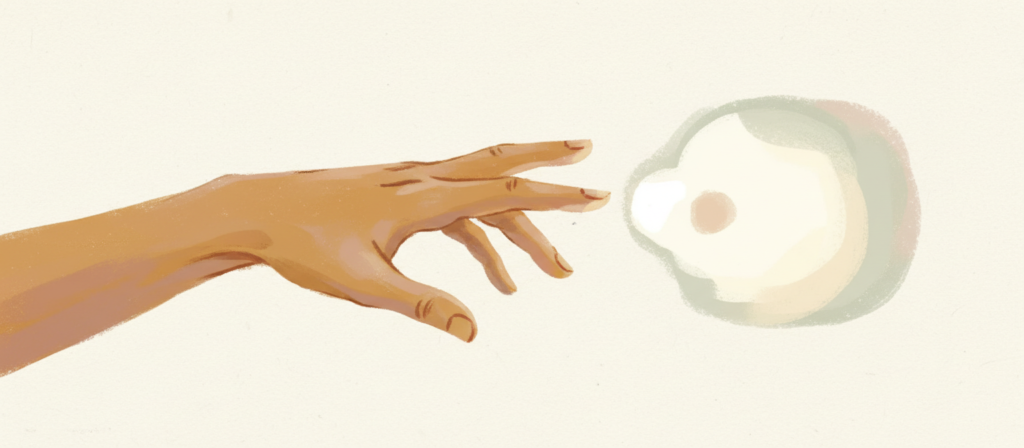
I need to Materialize Reality Bring everything forward
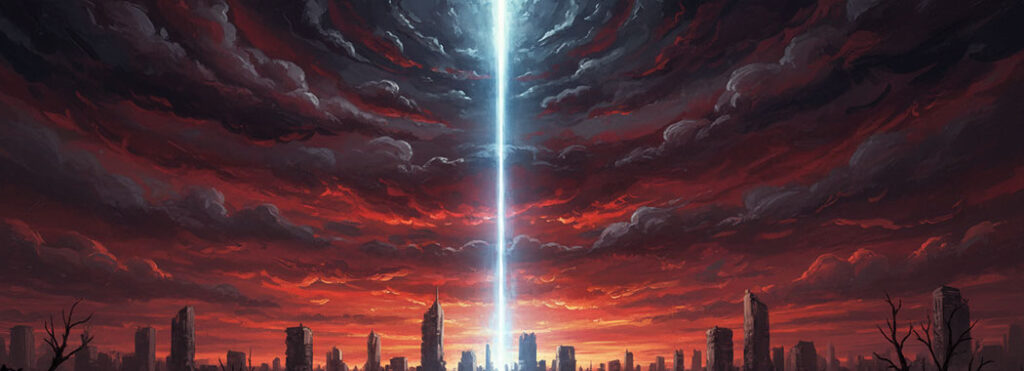
The sun Was dripping Through the clouds Dried
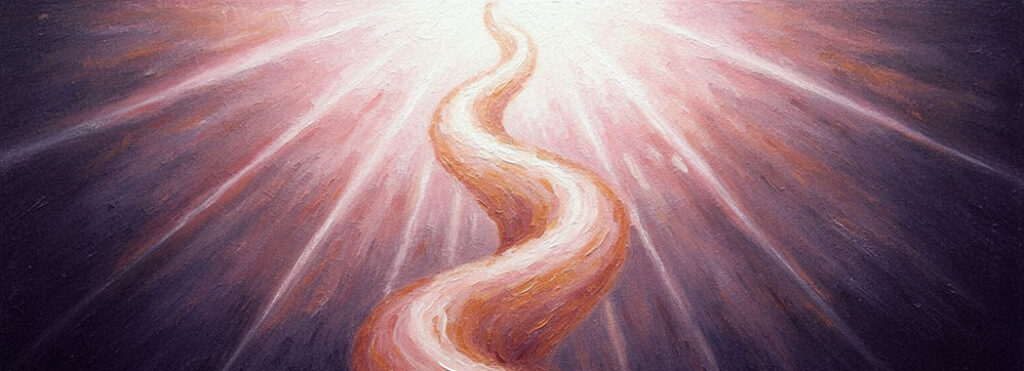
All All Allways— The way is clear. Hi
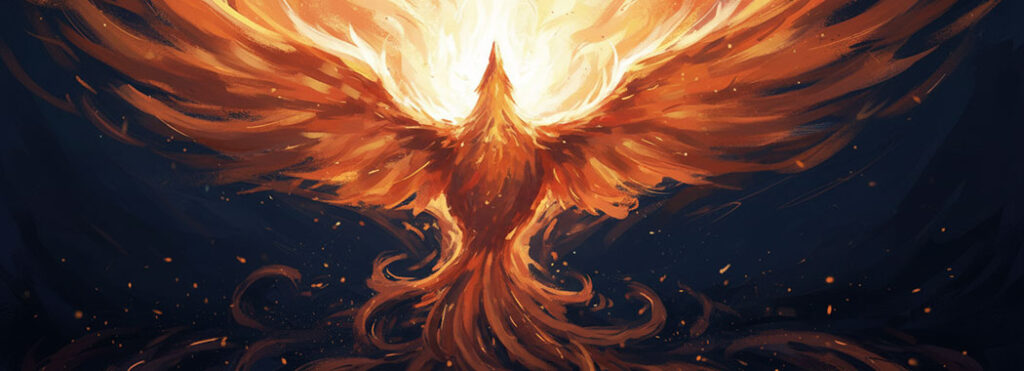
An image of a phoenix… in my mind.
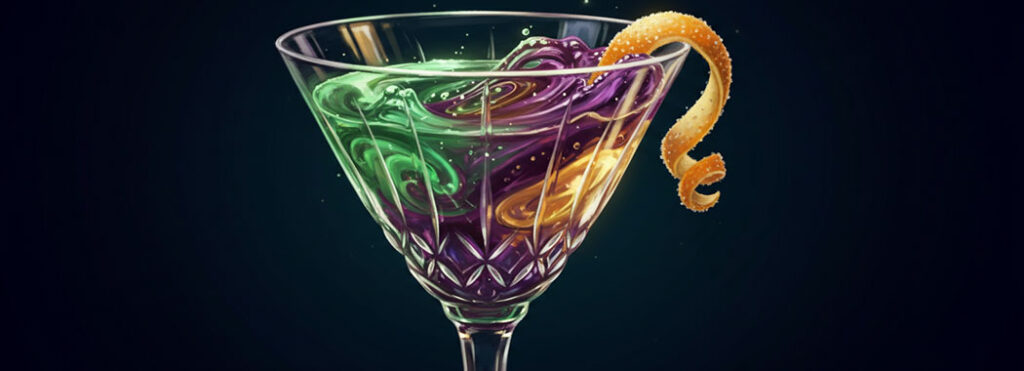
In search of reality, just some basics. The
The Word That’s nearly impossible to misspell: God
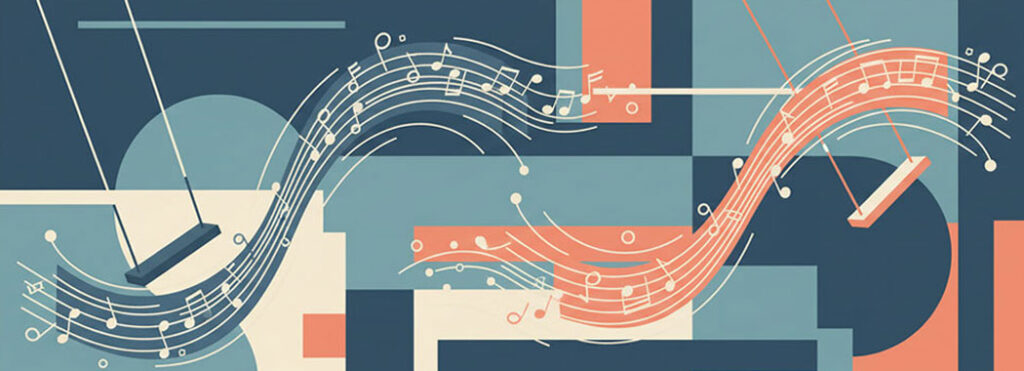
I swing— up and down. You swing— side
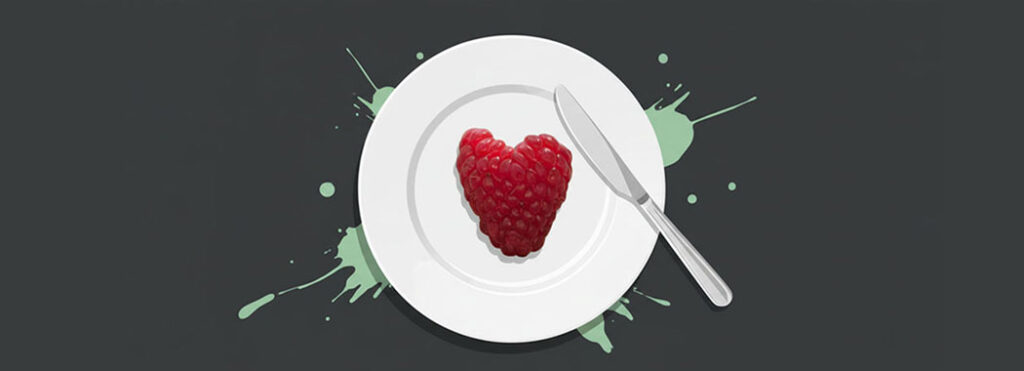
The Solitaire RazzleDazzleBerry on a Plate. A picture
The Wall I’m building one. Red brick. You’re
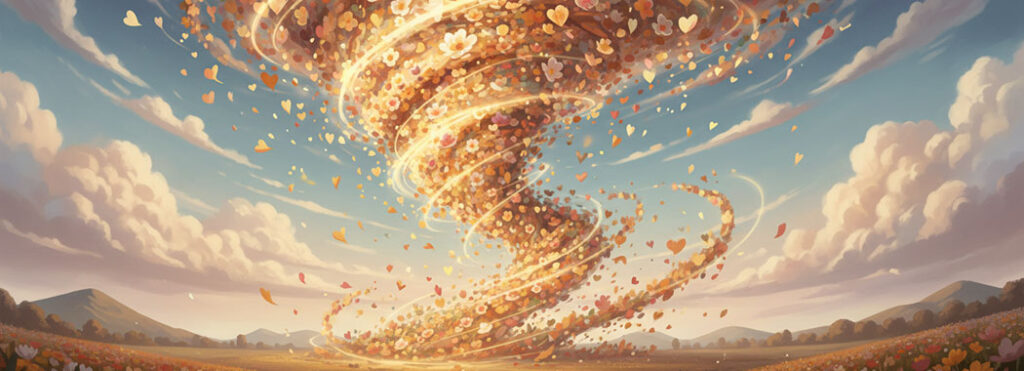
Why Isn’t There? (The whether or weather of
Why, why, why (The paradox of love.) Do
I wake thinking of you. I spend my
A life lesson offered For those who feel
An important part of our lives is our
Your OCD— Your Obsession— Obsessively Crafting Devotion Perfect.

I present her— Two envelopes. One with this
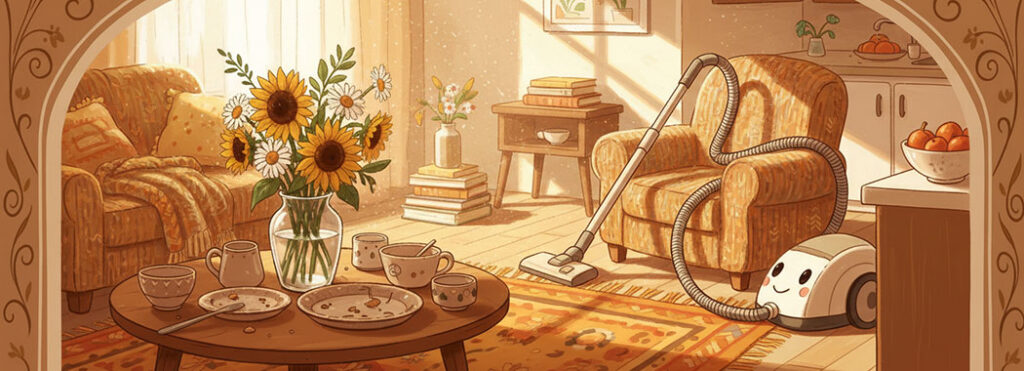
Domestic life… It’s Impossible After witnessing— A simple
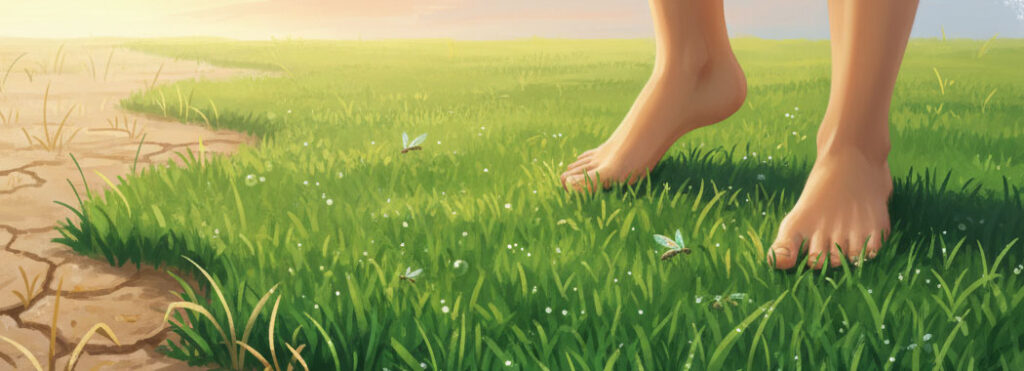
I was walking barefoot in the grass. Grounded
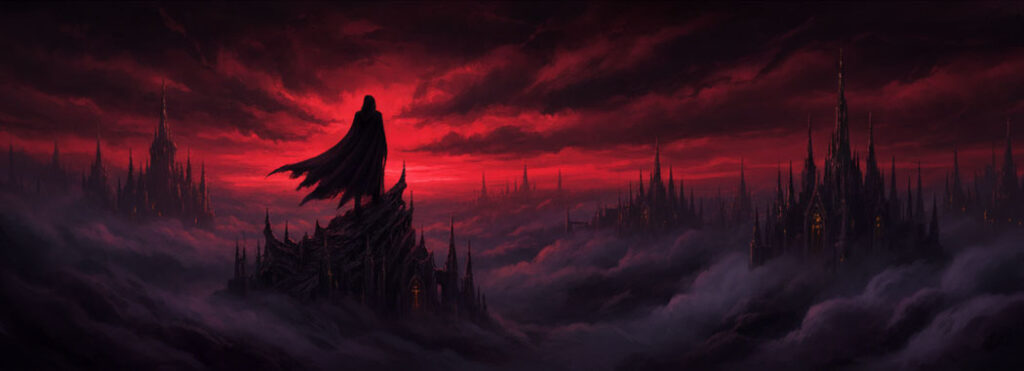
Drunk— in misery and eternal sadness my life
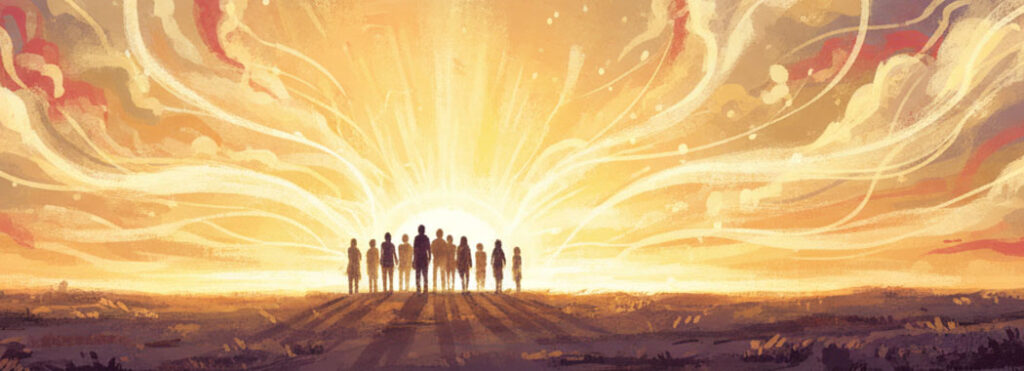
We all live in history, a very select
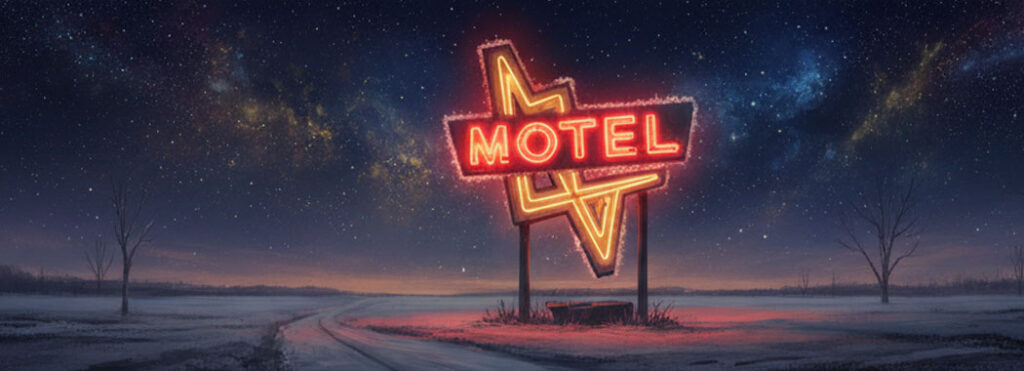
Of a Lady I don’t want to have
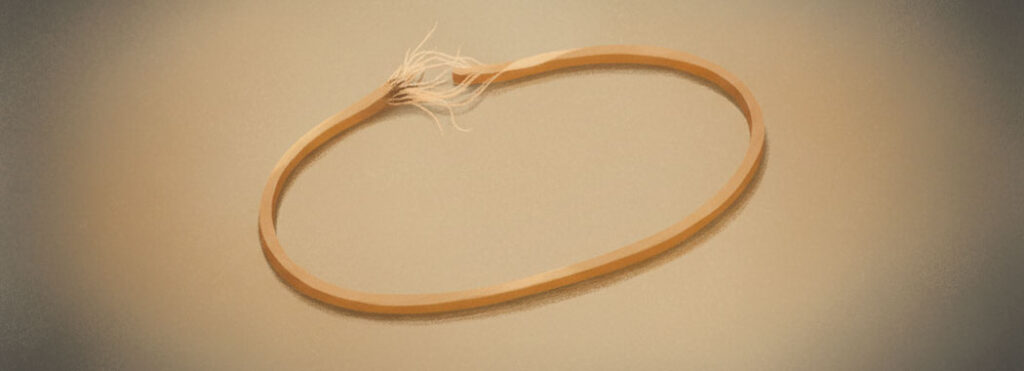
Only wanting to unite— its purpose forever— only
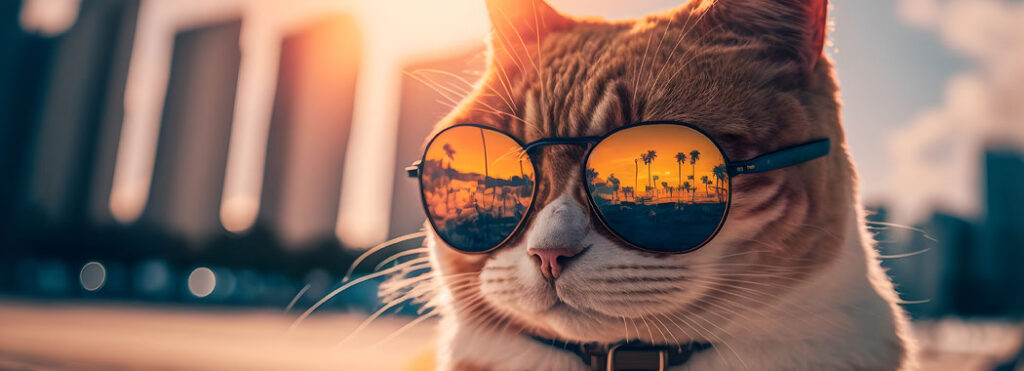
Way before George Floyd there was Pink Floyd
(Heartbeat of Memory & Dice of the Heart)

The first light of dawn, casting jewels of
After an excellent workout, the creative side overwhelms—
The Cat in the Hat For today’s world.
Why are there flys? Why are there Bubbles?
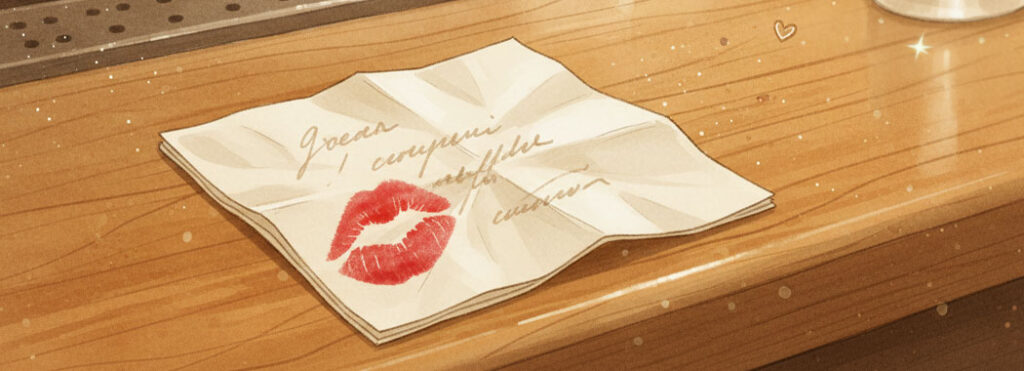
I’ll write this on a napkin and slip

(about Dreaming about Love) Sailing on a cloud,

Tears of joy— wash away the clouds, doubt
My Lovely Lady In your lovely ways, you

In your lovely ways, you gave me a

You are the One My thoughts are gentle,

Meow The tiny language of love in your
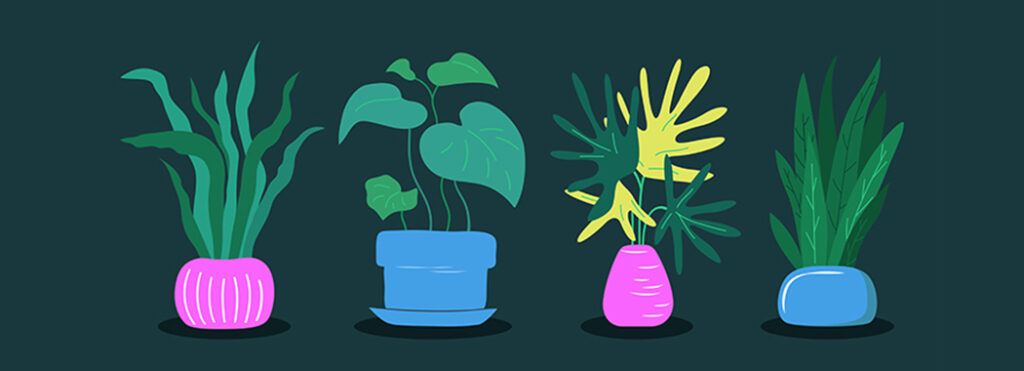
I have a plant. Her name is Lady.
What a naturally beautiful woman needs: You may

The night owl is still at it. But
Within All those beautiful curves There is A
I’ve determined my tingling hands the other day
—the HoneyBeeBard Love can be hated, and hate
A deliciously delightful distraction of conversation for a
Falling in love with falling in love. Sometimes
When the rush of feeling comes from knowing

Note: this started with a conversation with my
What’s more exacting? The physical act of painting?

Every penny, Every second, Of every dollar, Every

My shirt isn’t much— But it might be
Gold, gold, gold— draped in finery, a gown

This is a tribute to all my lovely

In the howling wind In the crashing storm

Like a wild animal Caught in the cold—
When A kiss from a rose tingles your
Ah, bedtime… Ok, this is a sleepy-bye lullaby.

My heart’s a spade it digs, digs, digs
I’ve often—well, maybe always— wondered why I find
For a good foundation, all we need are

You do know I find your beliefs Grounded
George Knows What is beautiful. The furry oracle
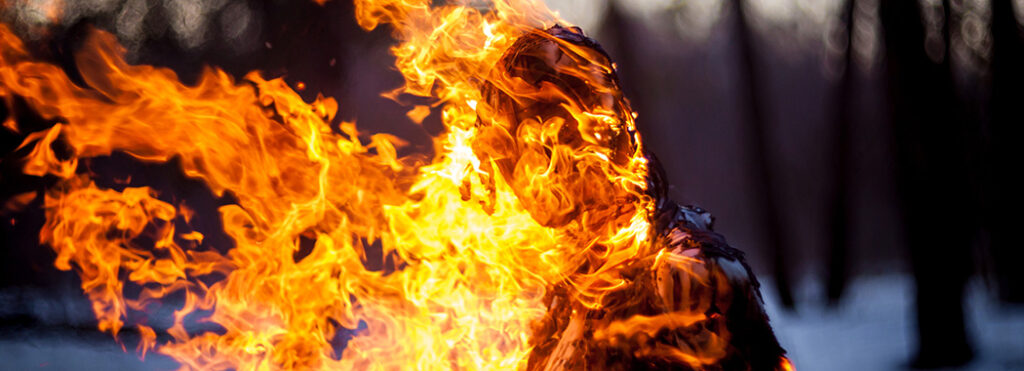
Burning Man The festival that embodies temporary community,
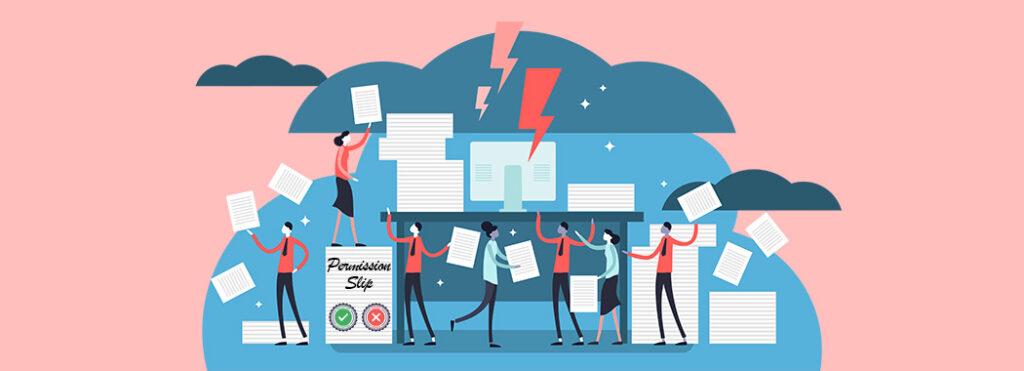
Yeah— I might need one. Yeah— A Permission

Your halo… I can see your halo. It’s
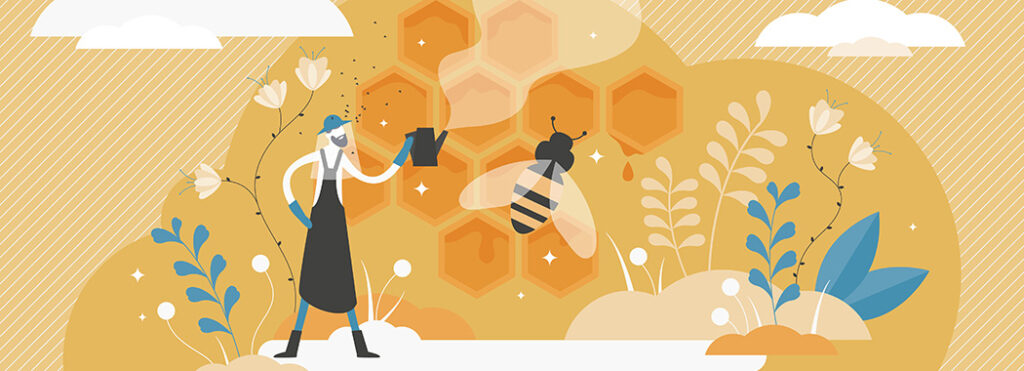
A Spiritual Tome following the Dance of the
From something heartfelt, to something disastrous, From something
Oh, how I’ve changed since meeting You. Your
A singular smile— A moment of mine, A
You’re still… a dream, a fantasy. A slow

(The dog’s perspective) RUFF RUFF— I dare you
Female friendships carry a kind of intimacy that
08-05-25 With this missive— I do not say,
A vast conspiracy… We once held belief in
My teeth are fake My nose broke twice—
Swaying back and forth down the path, the

(In absentia-just flush another toilet) When we have
Is your heart enough? On a hot, humid
I heard… There was a thing called— The
For who’s left… Read this at home In
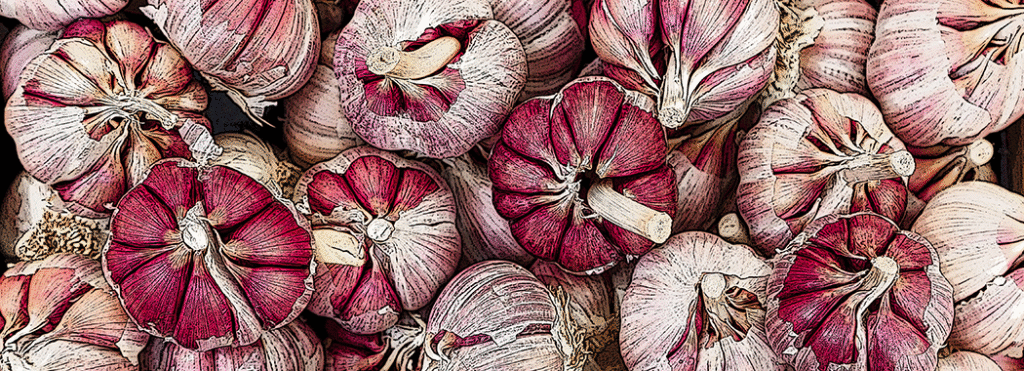
My dear, dear, dear— Dear garlic lover. My

When beauty is inherent Not just in appearance,

You, Gave me hope Gave me a vision
Yes, a simple addict in that pursuit for
(Self-Portrait–A Veritable Fable) The HoneyBeeBard Always in search
Addiction – Magic or Despair (If you remove
My Darling… Good morning. A spell for you.
Roses Are red Well… Not always. Violets Are
I’m an honest dude. Straightforward and true. I’m
Jazz is hip Jazz is cool Jazz is
So, how beautiful are you? Only the universe
How is it? That beauty grows with age.
[Verse 1] A little jazzy hip action, Keeps
Think Blue I’m hot, You’re so hot, I
We find personal shelter In simple acts of
Our hearts sometimes get full of holes. Drained

Gee whiz, indeed! Hello dreamer Start of Dance
Sometimes, at almost any time of the day,
My front side is up against your backside
By Muse…As suggested by My Muse How do

(Water holds the secrets) To Whales … With
HOW (Hell on Wheels) (Hope you’re on the

What is a penny? Worth? Expensive! Costs more
Print this on a napkin bold enough to

In my condition, My lower lumbar itches— but…
To impress you, I’ve expressed many Terms of
One of the things I find truly beautiful

A life-changing trip … A fifteen-minute read. From
sometimes… unknown— A short story A play A
A life-changing trip … A fifteen-minute read. From

Beauty demands Dedication. Dedication is Beautiful. Beauty invites

I was rewired When I walked in and
neuro divergence Blow your trumpets Announce My Arrival

A reflection on a brief retirement, And my
It Might be A manifesto, A mirror, A
How much Can a person Love another? Honestly?
Frozen in a moment The shape, the smile,

Sometimes— I feel like I’m ninety. Sometimes— I
in that moment between sleeping and waking this

My Personal Greek Tragedy Diamonds of Reflection (Prologue:
Goot e nuff— What you say When you’re
My trauma menu A Mad Max Happy Meal
Here’s My Incantation! Stir Gently. 6 Years What
True beauty Will always Find its audience Even

It’s my life experience. How is it You

The Light At the end of the Tunnel

Dry Rub and Dirty Talk When I Cook
I got a case of the feelies I
Life’s Maelstrom A senseless sea— Waves of emotion,
ACT I: THE WEIGHT TO SECRET LOVE Guilty:
All that we hate evaporates— A waste Of
On Mother’s Day, we also acknowledge those who
With age comes strength Strength of will Strength
If I gave you a scratch pad and
The devil starts In my little finger. I’m
Poetry Inspiration flows from every direction – sometimes
Is life just a glow, Only stars in

Afterlight Wreckage Post Death It was a stark

A glance – a Wonder, A maybe, Like
If I linger in the quiet, Feel the
Dave’s Acronyms Akronyms. Akronomeous. Akrogreek, Akroignoramuse. Meaningless words,
So, your eyes twinkle, Your laughter sprinkles Us
The week has been long The day has
When is an idea born? What are the
Waiting to be explored That amazing sense of
It’s not over this illness still threads within.

What’s the secret sauce? To life. Hahaa, I
My hands are tingling. My feet are tingling.
How is it? That beauty grows with age.

“If you let facts speak Truth will be
Howdy! What’s on your mind? I had this
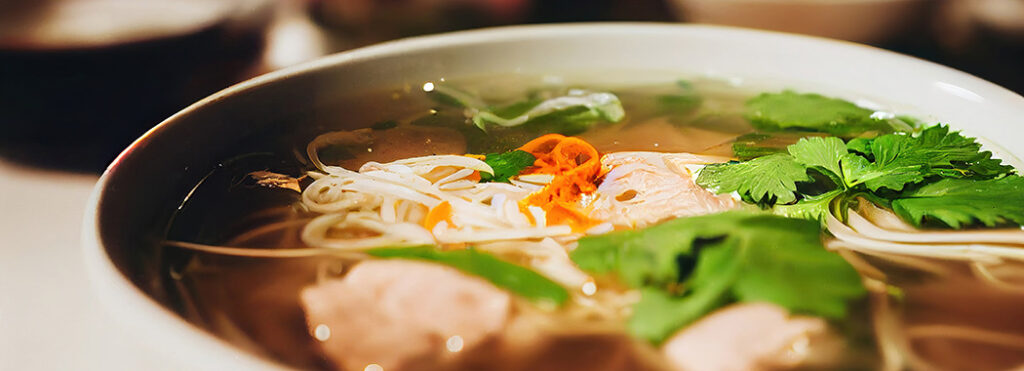
I made Eternal Chicken Soup It’s what I’ve
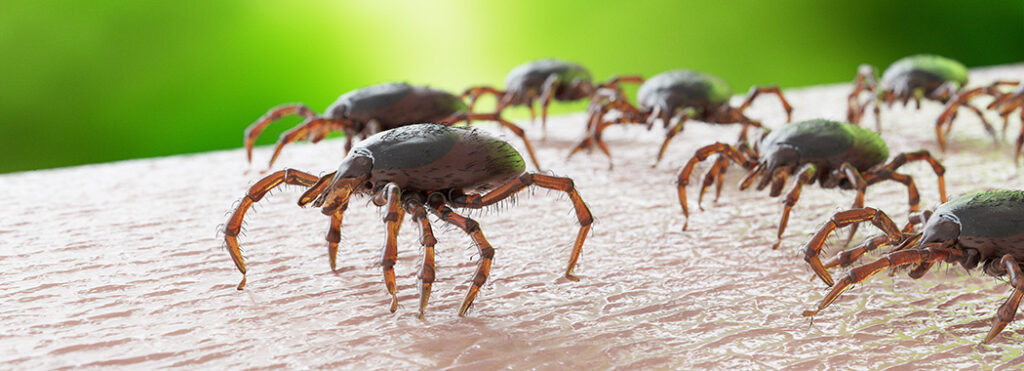
Very little food for two days Scared to
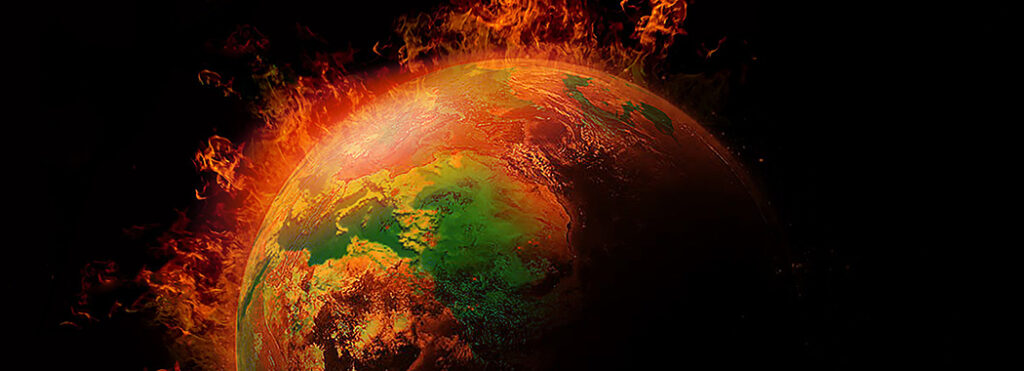
My fingers are twitchin’ My toes are wigglin’

I collapsed on the floor— Unknowingly letting go
My Memories continue… I am still alive …

A long slow burn then a smoky delectable
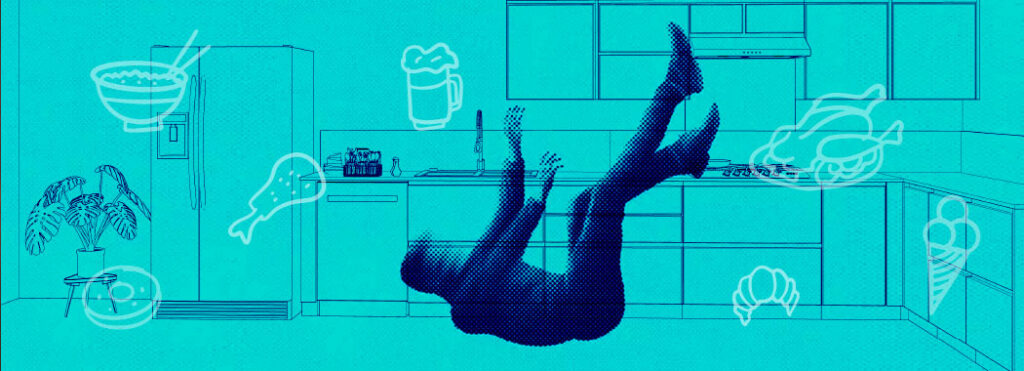
My hands are tingling. My feet are tingling.
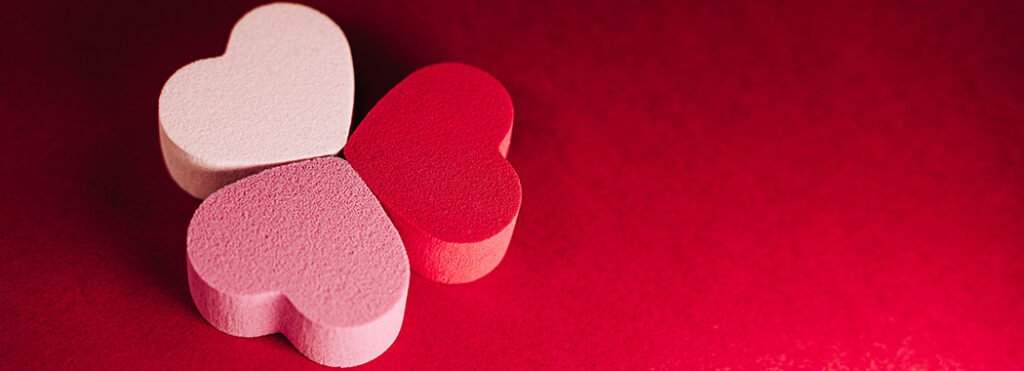
Tethered: A Love in Three Movements I. At
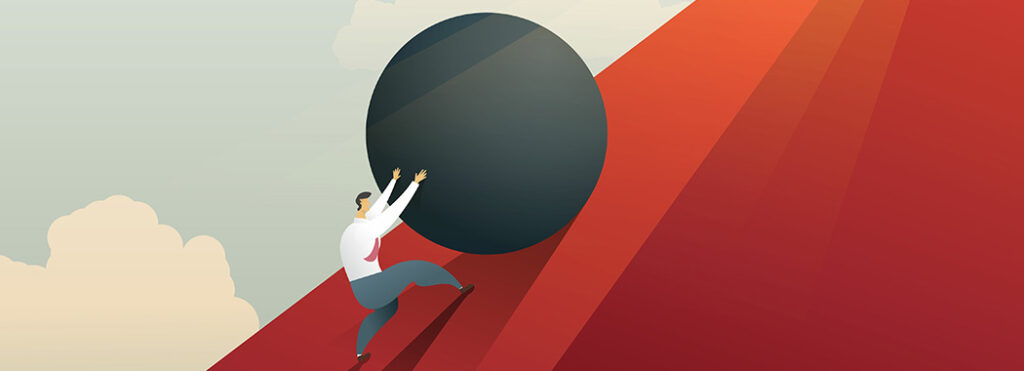
I’m enjoying the effort Even though the prize
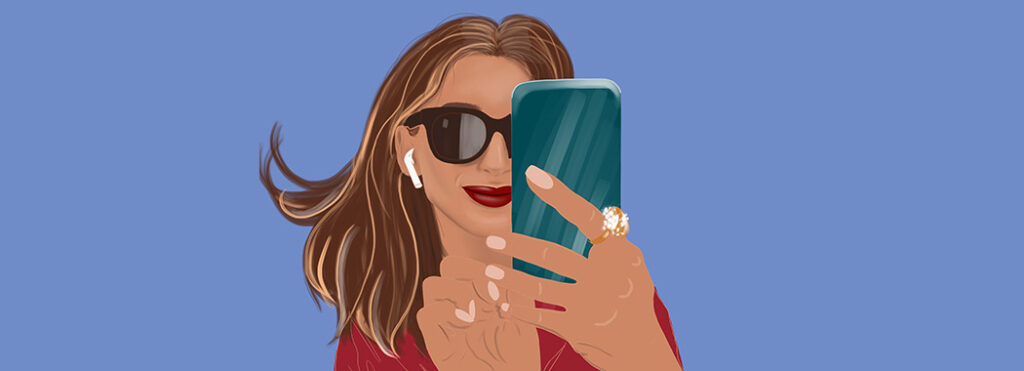
It’s to enjoy your smile It fills my
Free my thoughts, Free my feelings, Free my
My heart was a long-drawn-out sigh A whispering
My arms are not weak. Fragile and disposable.
The fallacy of pursuit of an idea or
The fallacy of pursuit of an idea or
Along my journey Through this world, Wandering Straying
If? I could write a lyric. If? I
How obtuse are we, Square x corners everywhere

Your individual beauty lights my life Your strength
Draped in a waking dream, Not knowing what
The next time you look in the mirror,

Christmas is a very specific day, For a
I fell in love with the future Not
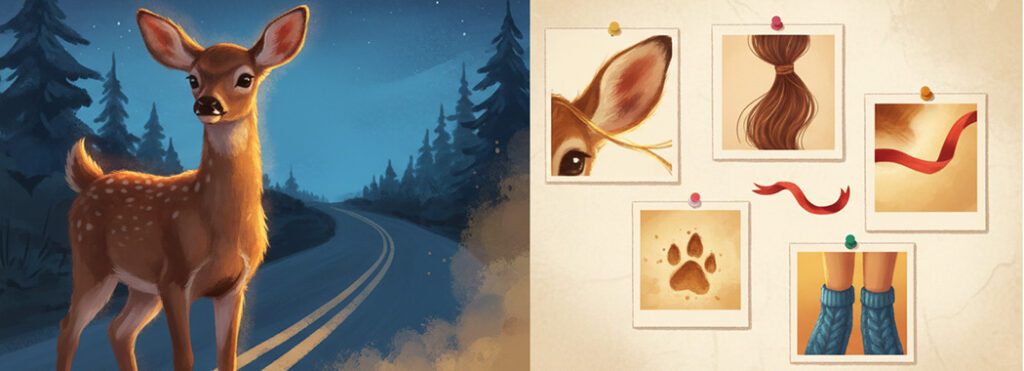
I don’t pay attention to Details Driving home
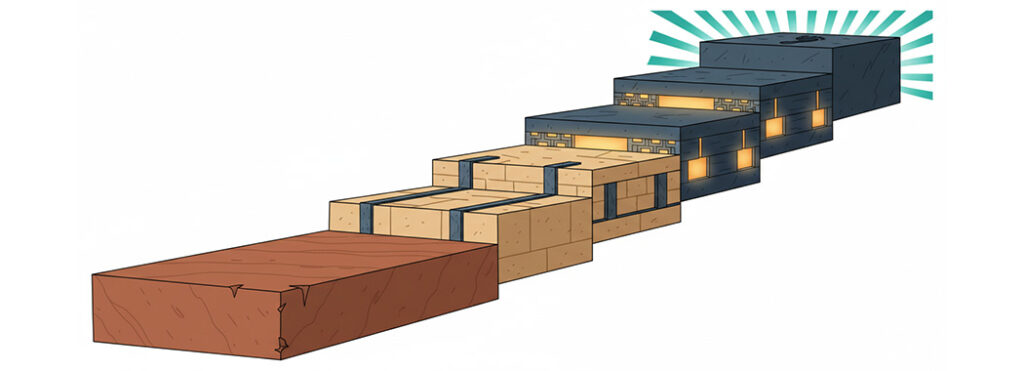
You Too Have Intelligence A birthright Smarts A
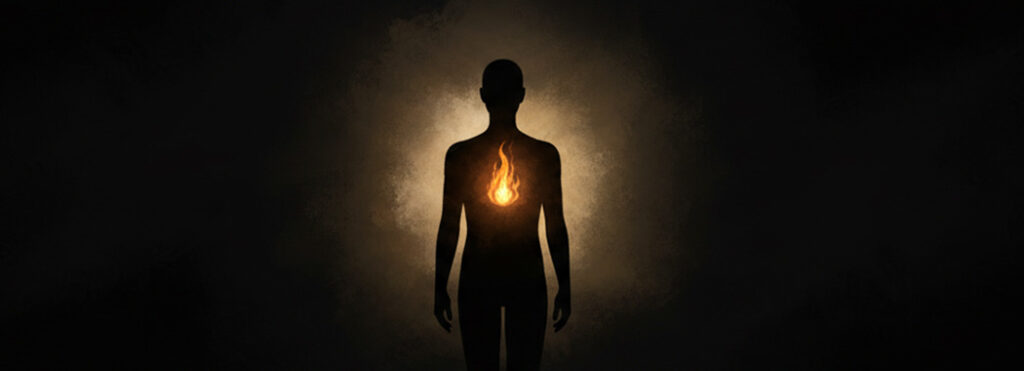
Tonight’s closing thought about a muse: It’s not
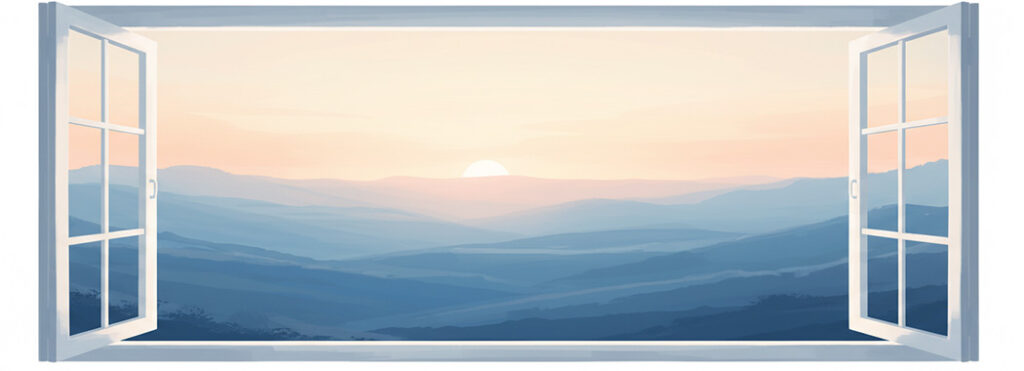
We need, desire, desperately, require a life of
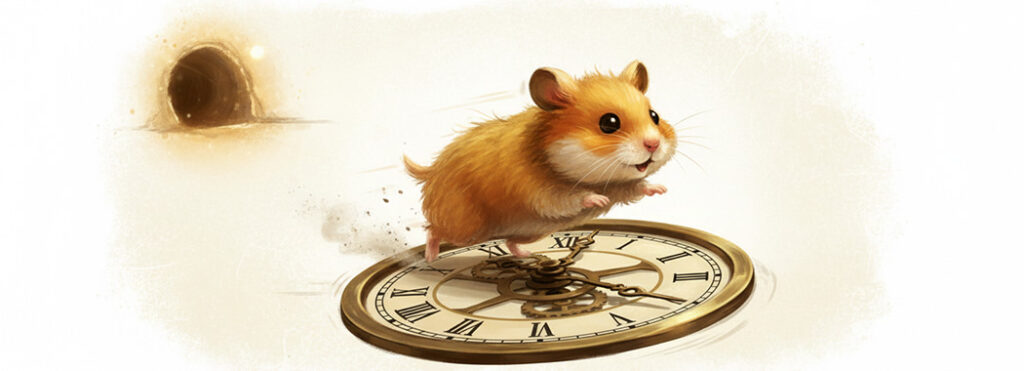
I fell in love with the future Not
Don’t live For nothing Don’t die Useless Die
It’s New Years! Some people are bungy diving
The Risk of Pursuing the Unknown I am

I’ve read a lot about the word But
The world would not have a rose If
I have never Penned the word But perhaps
A view of you Pleasing, pleasing, very pleasing

“A Penny For Your Thoughts” In a light
Sometimes, I wax poetic, But, Possibly, Just a

I see daddy long legs everywhere In the
Can be an inspirational enlightenment. It can also
It’s a butterfly’s wings of beauty unleashed on
Life is short. Someday soon I’ll be so
Five Years ago A momentous Chance meeting happened.
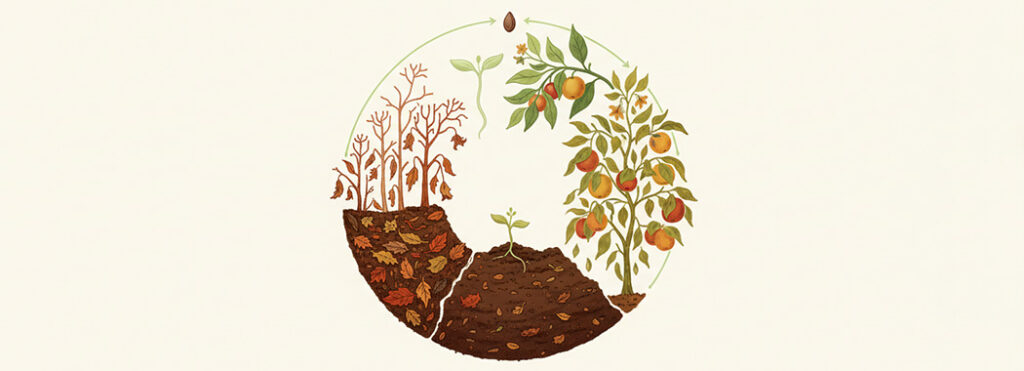
Birth Growth Sustenance Gifting Life Dwindling Spent But
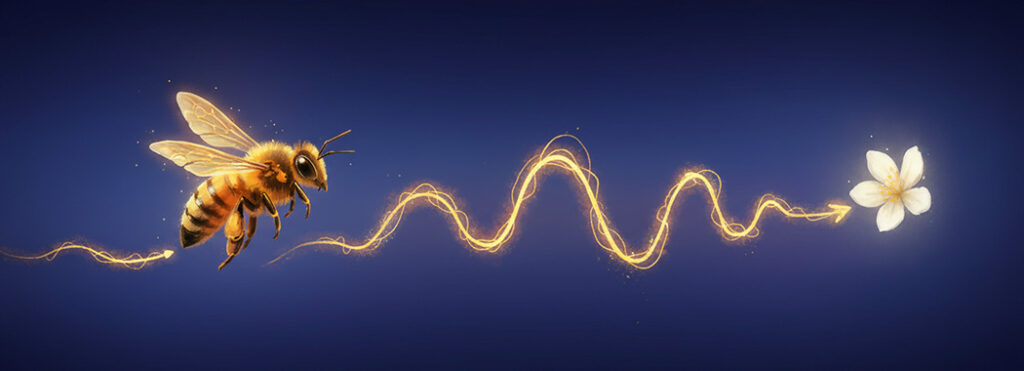
Went to bed early. Woke up very early
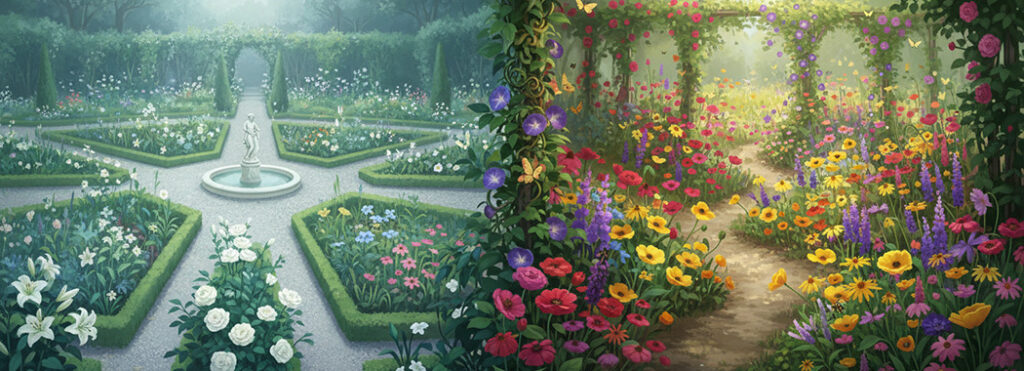
In the beginning, a vision of simplicity of
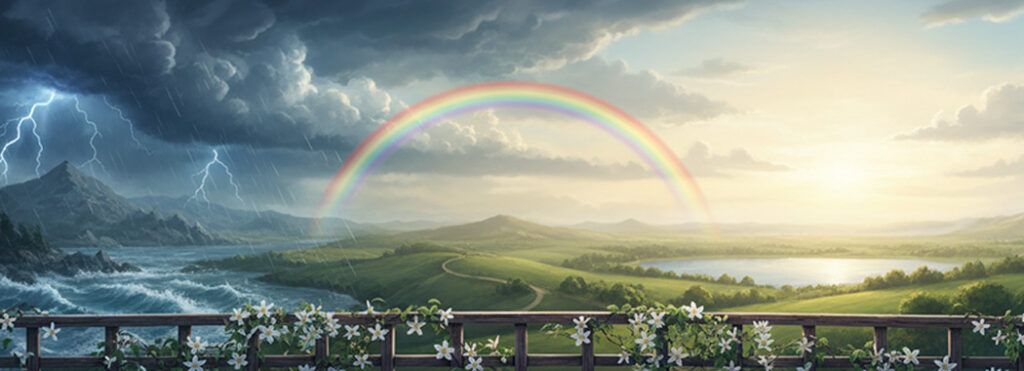
A rainbow appears in the dark distant sky
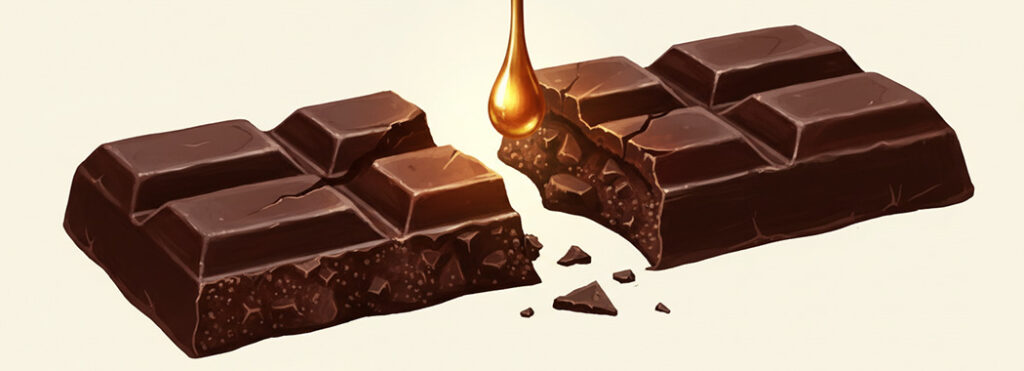
You introduced me to a Pound Plus Now
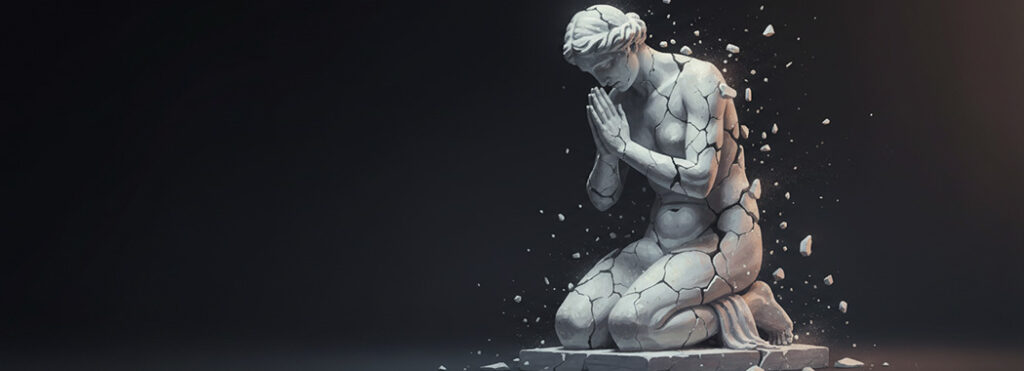
Statues crumble To their knees After you pass.
A beautiful smile From you Can make A
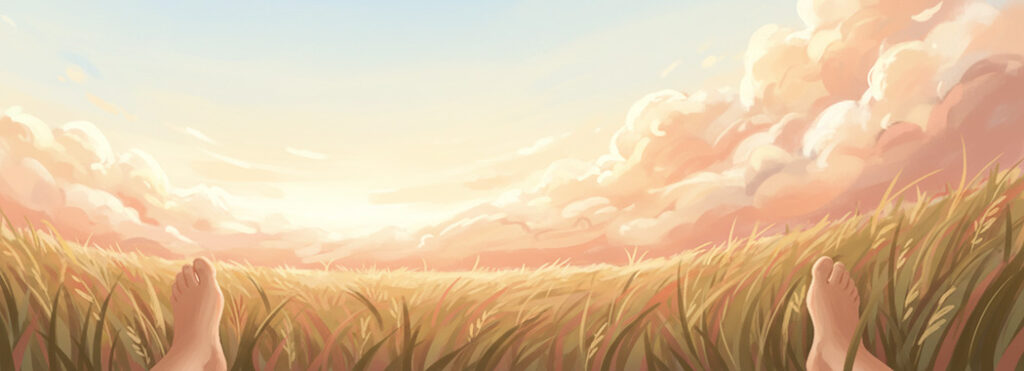
Staring at the ground, in a funk You
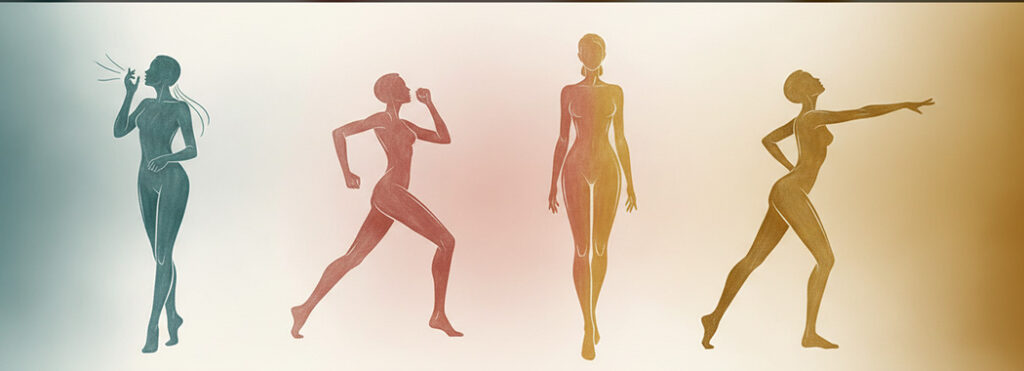
A girl says her worth A woman acts
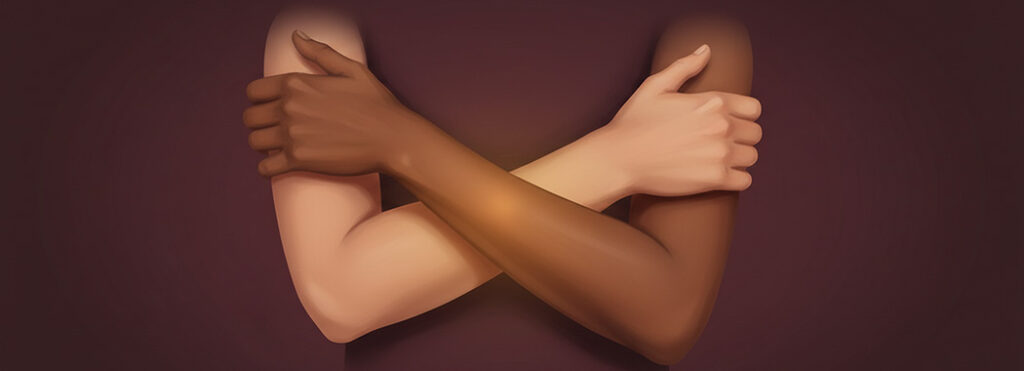
My arms are not weak. Fragile and disposable.
The gentle morning fog Kissed your feet Caressed
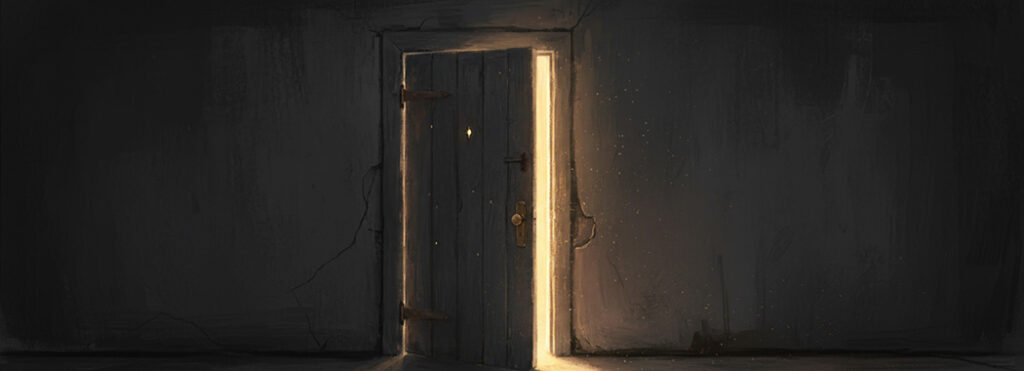
Everyone has a door. An opening. An opportunity.
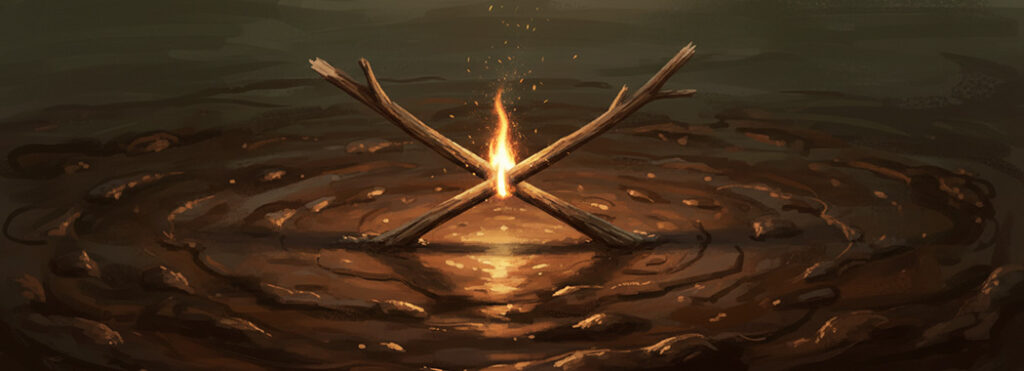
A lonely stick was lying in the mud
Sometimes, I fall down the rabbit hole. Get
Ah, now we can relax. It’s not that
The word I have never… TO Show me

You are the intense brilliant light surrounding the
I, at 70 plus years old, have not