0
My Devotion
I wake thinking of you. I spend my


A ten-line philosophical meditation arguing that the past is not a burden but a navigational instrument—something that must be brought into the present to be understood, and once held in perspective, becomes a gift that points the way forward.
This is Plahm at his most aphoristic, distilling a lifetime’s worth of therapy, reflection, and hard-won self-knowledge into three compact stanzas that function almost as a creed. The title itself performs the poem’s argument: “The Future of Our Past” is a paradox that resolves into wisdom—what lies ahead is shaped by what lies behind, and neither can be understood without the other. The opening stanza’s key verb is “bring”—the past doesn’t arrive on its own; it must be actively carried into the present, an act of will that the word “need” makes obligatory rather than optional. The second stanza completes the temporal circuit: past teaches future, memory becomes compass. The phrase “what to look forward to” operates on a double register—both “what to anticipate” and “what direction to face”—collapsing expectation and orientation into a single phrase. The closing couplet is the poem’s payload: “Our past, a gift to ourselves— / if held in perspective.” The conditional “if” does enormous quiet work. Without it, the statement is a platitude; with it, the statement becomes a discipline. The past is only a gift when held properly—the way one holds a fragile object, with care, at the right distance, neither clutching too tightly nor letting go. For a poet who has documented AGS collapses, dystopian nightmares, near-death episodes, and desert wanderings, the insistence that this past is a gift is not naïve optimism but a philosophical position earned through suffering. The poem’s brevity is its conviction: ten lines, no decoration, no imagery, no narrative—just the distilled residue of a man who has done the work of looking backward and choosing to call what he found there useful.
A poem that succeeds through the authority of its compression and the earned weight of its catalog context. At ten lines, it is among the shortest pieces in the collection, and its power depends almost entirely on what surrounds it—read after the AGS poems, the dystopian nightmares, and the desert wanderings, the insistence that the past is a gift lands with the force of hard-won conviction rather than greeting-card sentiment. The title is the poem’s strongest formal element: “The Future of Our Past” is a genuinely thought-provoking paradox that the poem then unpacks with clarity and economy. The conditional “if held in perspective” is the single most important phrase—it converts what could be a platitude into a discipline, acknowledging that the past can just as easily be a prison as a gift depending on how it is carried. The three-stanza structure mirrors the temporal argument: past (stanza one), future (stanza two), synthesis (stanza three). Where the poem is limited is in its reliance on abstract statement without the imagistic surprise or narrative specificity that characterizes Plahm’s strongest work. Every noun in the poem is an abstraction—past, future, lives, gift, perspective—and none is grounded in a concrete image. A single sensory detail (a photograph, a scar, a familiar smell) might have given the philosophy a body to inhabit. The language, while clear, does not disrupt or surprise—”molded and shaped” and “look forward to” belong to the shared vocabulary of self-help rather than to a distinctive poetic voice. But within the catalog, this poem functions as a pause for breath—a moment of philosophical consolidation between the longer, more turbulent pieces—and its brevity is itself a statement: sometimes the deepest truths require the fewest words.
I wake thinking of you. I spend my
A life lesson offered For those who feel
An important part of our lives is our
Your OCD— Your Obsession— Obsessively Crafting Devotion Perfect.

I present her— Two envelopes. One with this
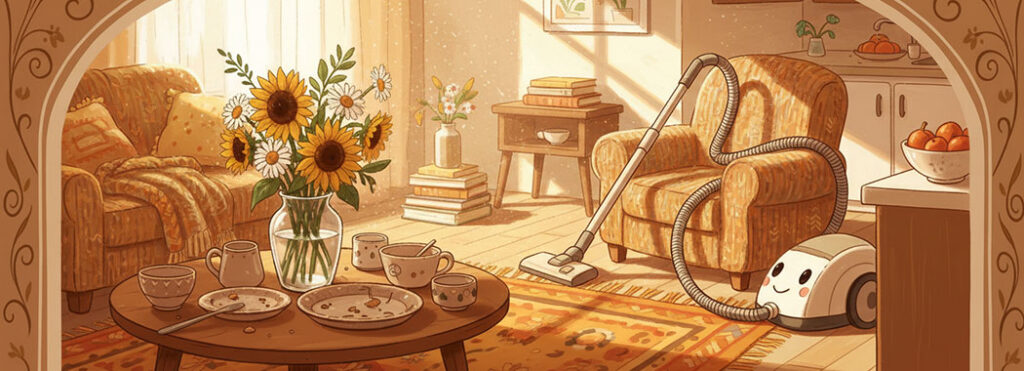
Domestic life… It’s Impossible After witnessing— A simple
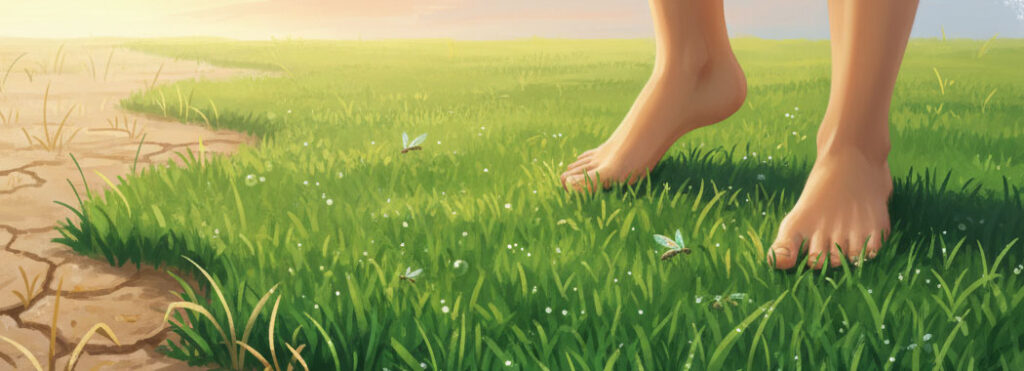
I was walking barefoot in the grass. Grounded
Drunk— in misery and eternal sadness my life
We all live in history, a very select
Of a Lady I don’t want to have
Only wanting to unite— its purpose forever— only
Way before George Floyd there was Pink Floyd
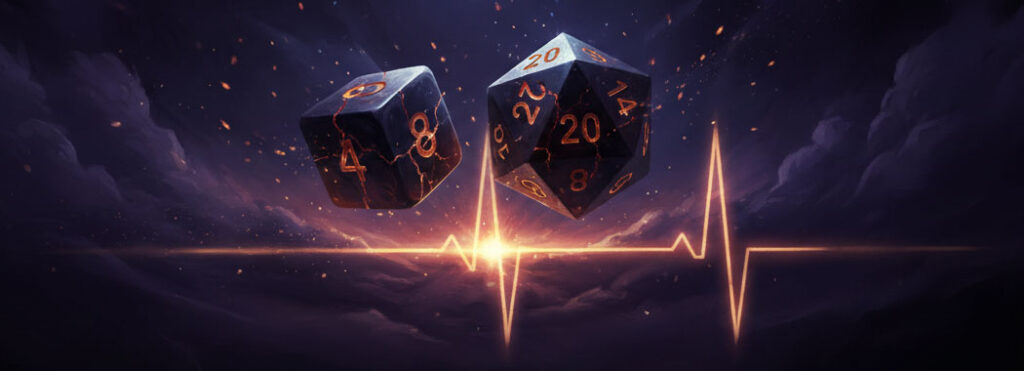
(Heartbeat of Memory & Dice of the Heart)

The first light of dawn, casting jewels of
After an excellent workout, the creative side overwhelms—
The Cat in the Hat For today’s world.
Why are there flys? Why are there Bubbles?
(about Dreaming about Love) Sailing on a cloud,

Tears of joy— wash away the clouds, doubt
My Lovely Lady In your lovely ways, you

In your lovely ways, you gave me a

You are the One My thoughts are gentle,

Meow The tiny language of love in your
I have a plant. Her name is Lady.
What a naturally beautiful woman needs: You may
The night owl is still at it. But
Within All those beautiful curves There is A
I’ve determined my tingling hands the other day
—the HoneyBeeBard Love can be hated, and hate
A deliciously delightful distraction of conversation for a
Falling in love with falling in love. Sometimes
When the rush of feeling comes from knowing

Note: this started with a conversation with my
What’s more exacting? The physical act of painting?
Every penny, Every second, Of every dollar, Every

My shirt isn’t much— But it might be
Gold, gold, gold— draped in finery, a gown

This is a tribute to all my lovely

In the howling wind In the crashing storm

Like a wild animal Caught in the cold—
When A kiss from a rose tingles your
Ah, bedtime… Ok, this is a sleepy-bye lullaby.

My heart’s a spade it digs, digs, digs
I’ve often—well, maybe always— wondered why I find
For a good foundation, all we need are
You do know I find your beliefs Grounded
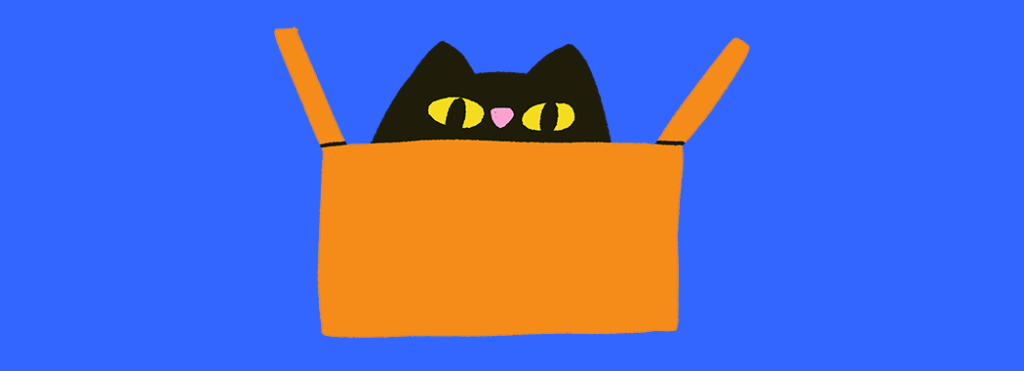
George Knows What is beautiful. The furry oracle
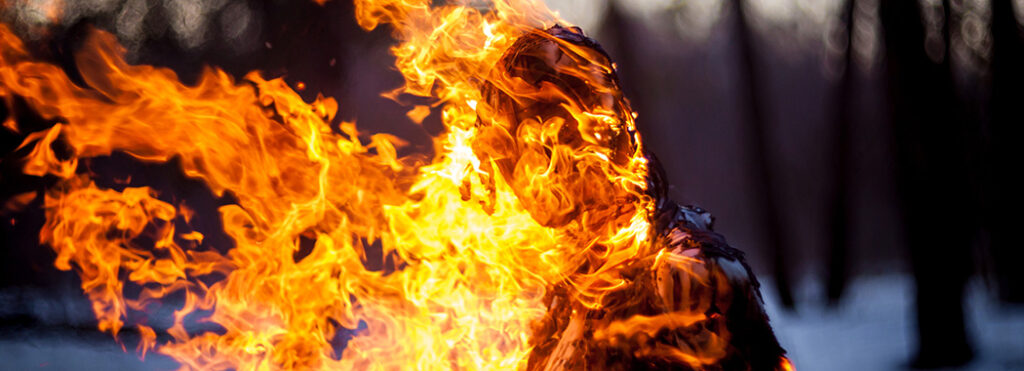
Burning Man The festival that embodies temporary community,
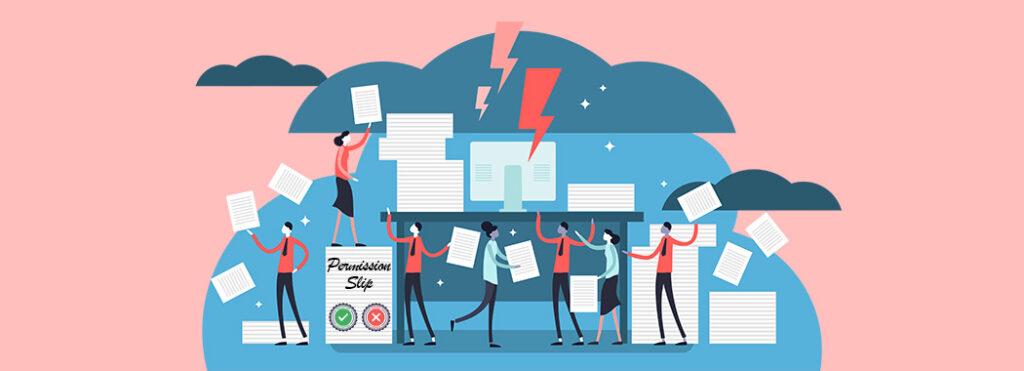
Yeah— I might need one. Yeah— A Permission

Your halo… I can see your halo. It’s
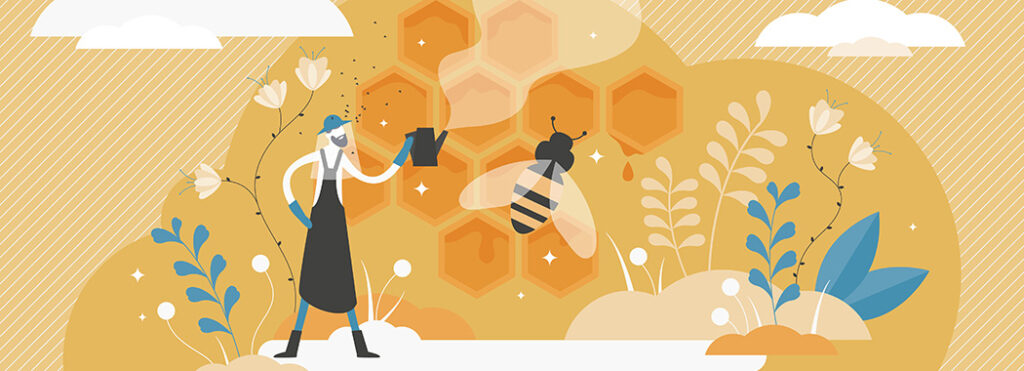
A Spiritual Tome following the Dance of the
From something heartfelt, to something disastrous, From something
Oh, how I’ve changed since meeting You. Your
A singular smile— A moment of mine, A
You’re still… a dream, a fantasy. A slow

(The dog’s perspective) RUFF RUFF— I dare you
Female friendships carry a kind of intimacy that
08-05-25 With this missive— I do not say,
A vast conspiracy… We once held belief in
My teeth are fake My nose broke twice—
Swaying back and forth down the path, the

(In absentia-just flush another toilet) When we have

Is your heart enough? On a hot, humid
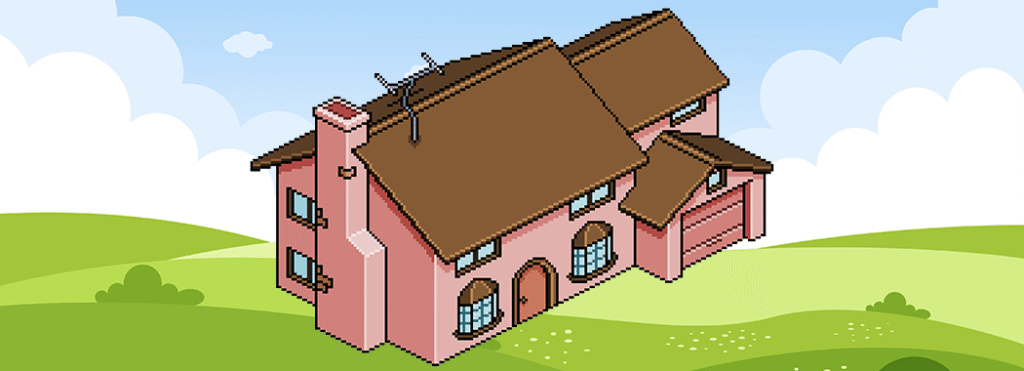
I heard… There was a thing called— The
For who’s left… Read this at home In
My dear, dear, dear— Dear garlic lover. My

When beauty is inherent Not just in appearance,

You, Gave me hope Gave me a vision
Yes, a simple addict in that pursuit for

(Self-Portrait–A Veritable Fable) The HoneyBeeBard Always in search
Addiction – Magic or Despair (If you remove
My Darling… Good morning. A spell for you.
Roses Are red Well… Not always. Violets Are
I’m an honest dude. Straightforward and true. I’m
Jazz is hip Jazz is cool Jazz is
So, how beautiful are you? Only the universe

How is it? That beauty grows with age.
[Verse 1] A little jazzy hip action, Keeps

Think Blue I’m hot, You’re so hot, I
We find personal shelter In simple acts of
Our hearts sometimes get full of holes. Drained
Gee whiz, indeed! Hello dreamer Start of Dance
Sometimes, at almost any time of the day,
My front side is up against your backside
By Muse…As suggested by My Muse How do

(Water holds the secrets) To Whales … With
HOW (Hell on Wheels) (Hope you’re on the

What is a penny? Worth? Expensive! Costs more
Print this on a napkin bold enough to
In my condition, My lower lumbar itches— but…
To impress you, I’ve expressed many Terms of
One of the things I find truly beautiful

A life-changing trip … A fifteen-minute read. From
sometimes… unknown— A short story A play A
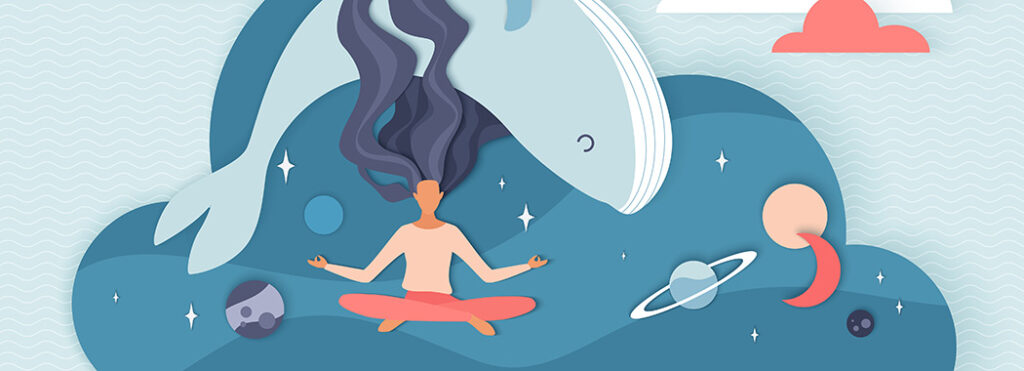
A life-changing trip … A fifteen-minute read. From

Beauty demands Dedication. Dedication is Beautiful. Beauty invites

I was rewired When I walked in and
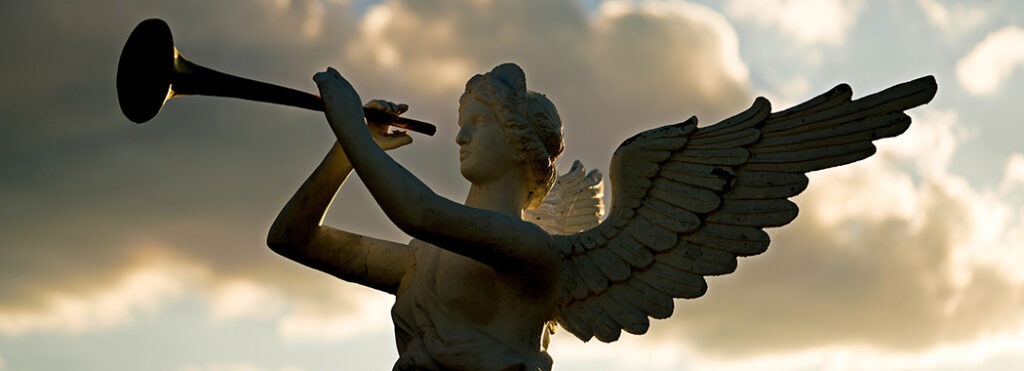
neuro divergence Blow your trumpets Announce My Arrival

A reflection on a brief retirement, And my
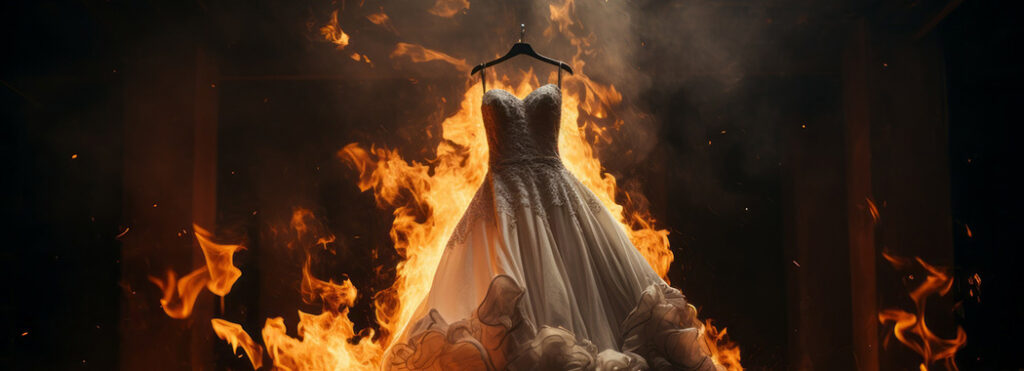
It Might be A manifesto, A mirror, A
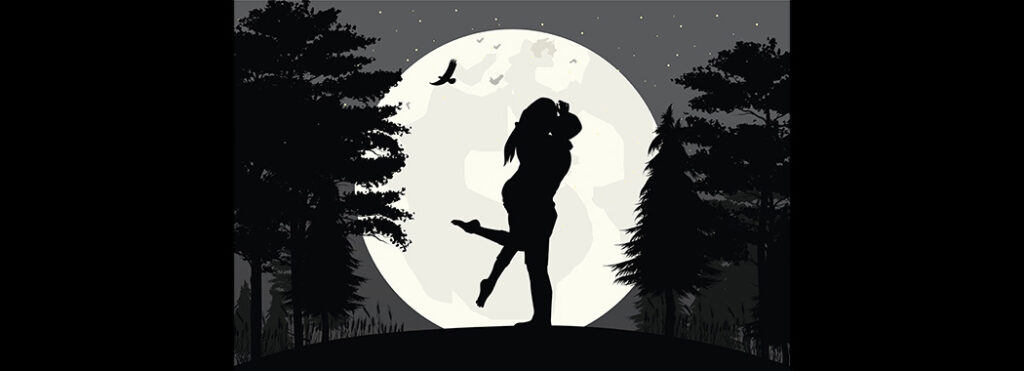
How much Can a person Love another? Honestly?
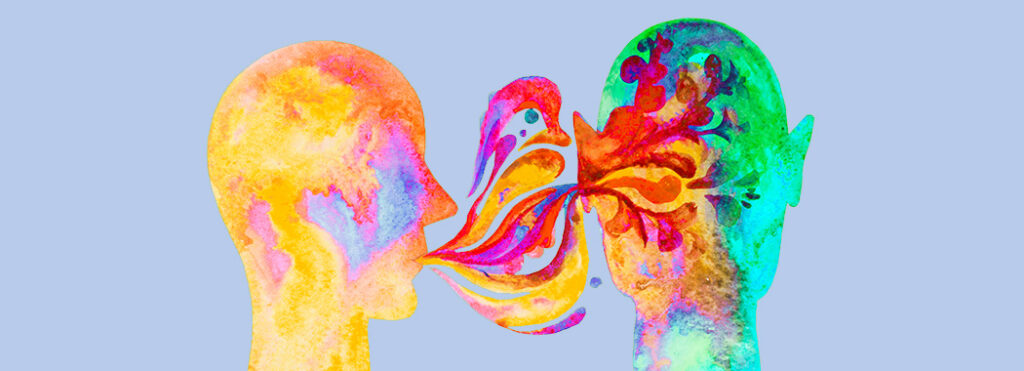
Frozen in a moment The shape, the smile,
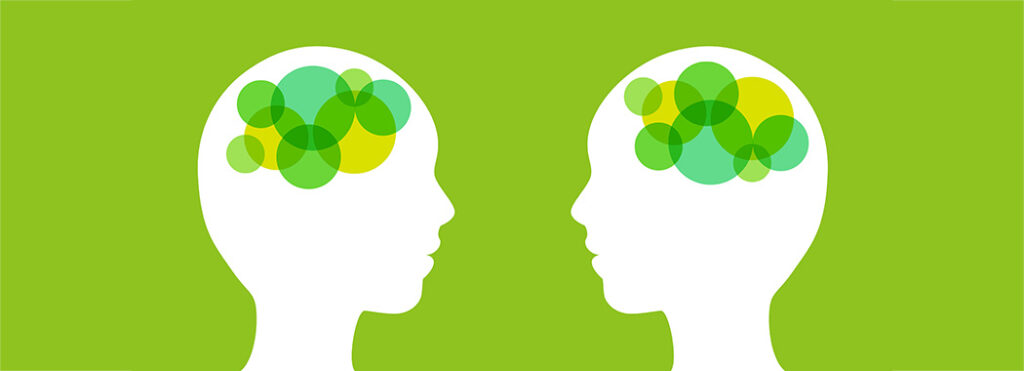
Sometimes— I feel like I’m ninety. Sometimes— I
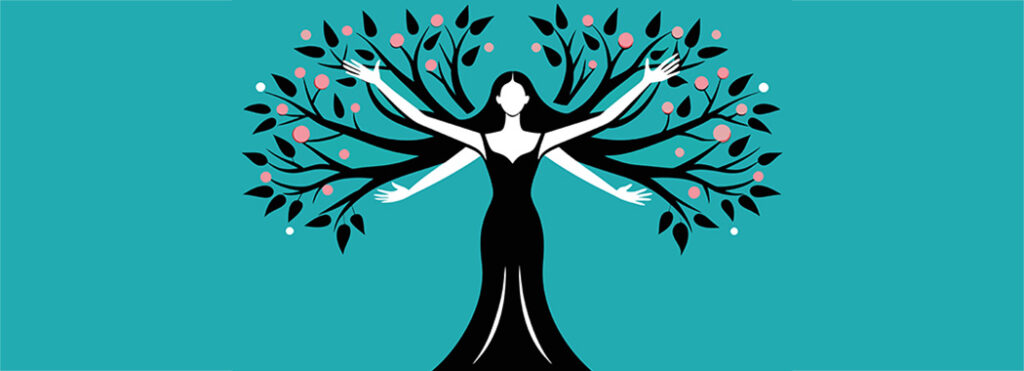
in that moment between sleeping and waking this

My Personal Greek Tragedy Diamonds of Reflection (Prologue:
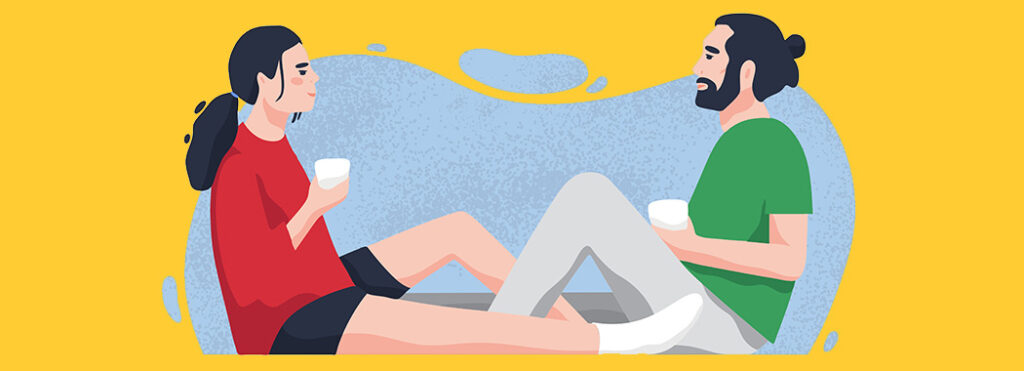
Goot e nuff— What you say When you’re
My trauma menu A Mad Max Happy Meal
Here’s My Incantation! Stir Gently. 6 Years What
True beauty Will always Find its audience Even

It’s my life experience. How is it You
The Light At the end of the Tunnel

Dry Rub and Dirty Talk When I Cook
I got a case of the feelies I
Life’s Maelstrom A senseless sea— Waves of emotion,
ACT I: THE WEIGHT TO SECRET LOVE Guilty:
All that we hate evaporates— A waste Of
On Mother’s Day, we also acknowledge those who
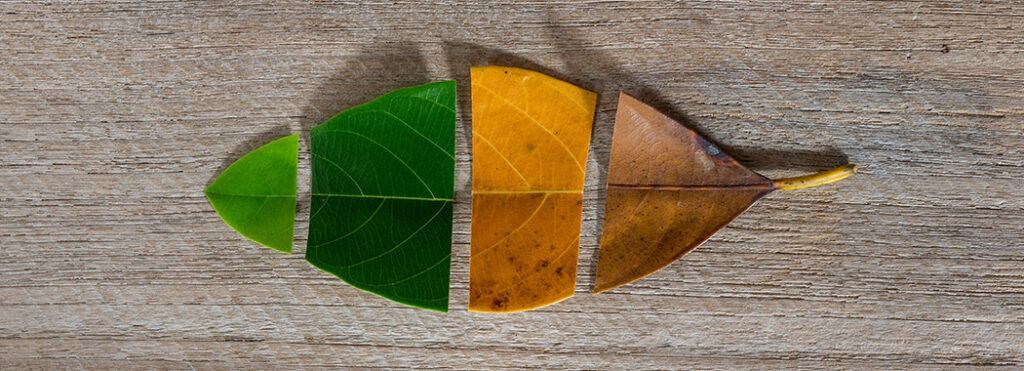
With age comes strength Strength of will Strength
If I gave you a scratch pad and
The devil starts In my little finger. I’m
Poetry Inspiration flows from every direction – sometimes
Is life just a glow, Only stars in

Afterlight Wreckage Post Death It was a stark

A glance – a Wonder, A maybe, Like
If I linger in the quiet, Feel the
Dave’s Acronyms Akronyms. Akronomeous. Akrogreek, Akroignoramuse. Meaningless words,
So, your eyes twinkle, Your laughter sprinkles Us
The week has been long The day has
When is an idea born? What are the
Waiting to be explored That amazing sense of
It’s not over this illness still threads within.

What’s the secret sauce? To life. Hahaa, I
My hands are tingling. My feet are tingling.
How is it? That beauty grows with age.

“If you let facts speak Truth will be
Howdy! What’s on your mind? I had this
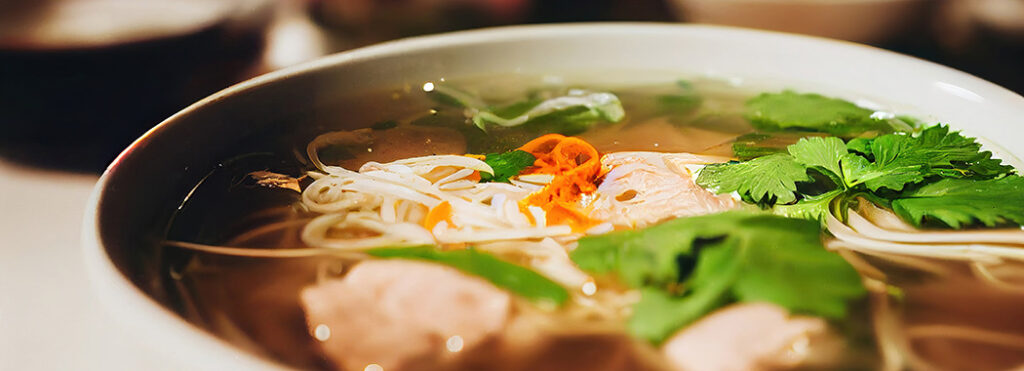
I made Eternal Chicken Soup It’s what I’ve
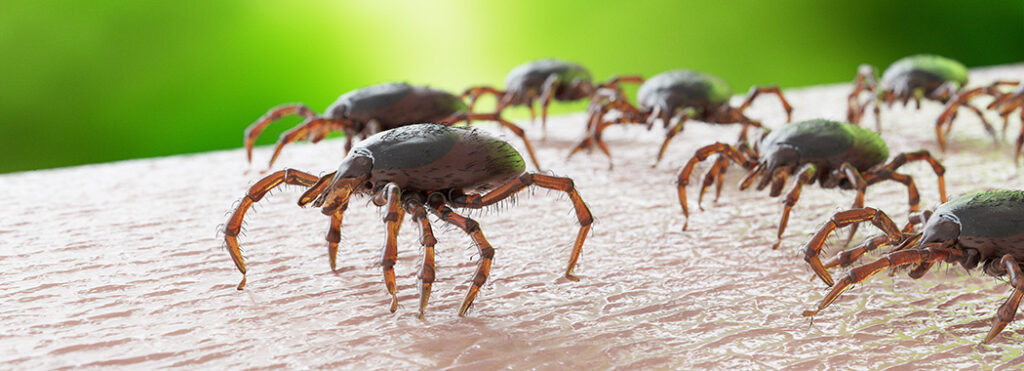
Very little food for two days Scared to
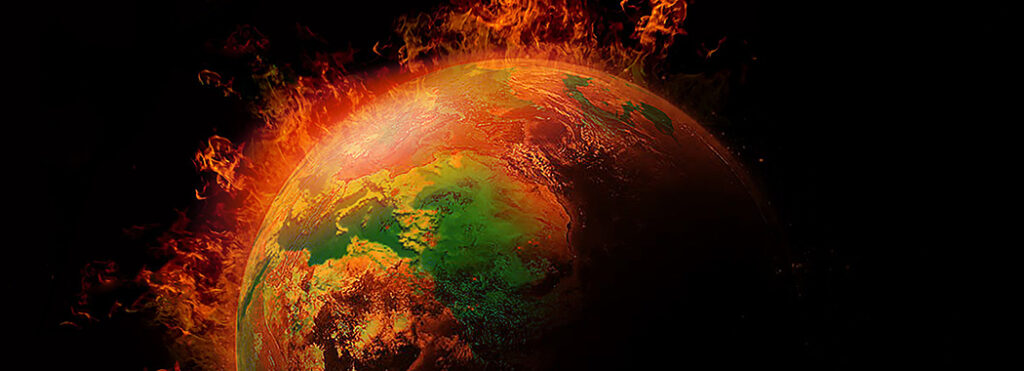
My fingers are twitchin’ My toes are wigglin’

I collapsed on the floor— Unknowingly letting go
My Memories continue… I am still alive …

A long slow burn then a smoky delectable
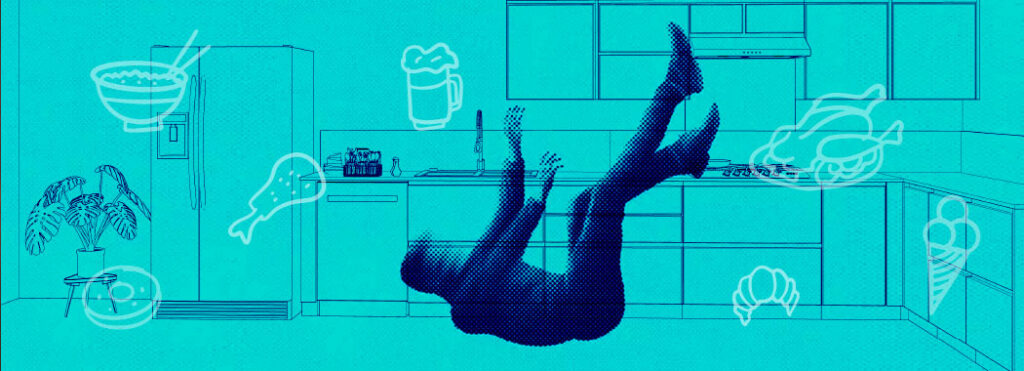
My hands are tingling. My feet are tingling.
I. At First Sight What? How? What Happened?
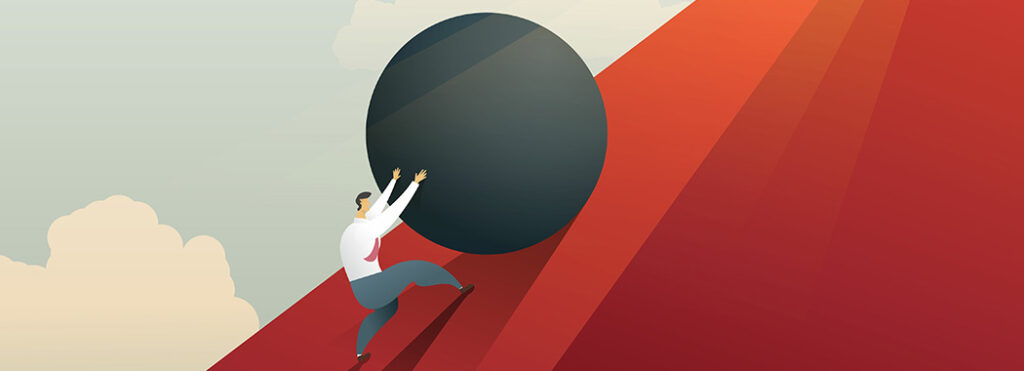
I’m enjoying the effort Even though the prize
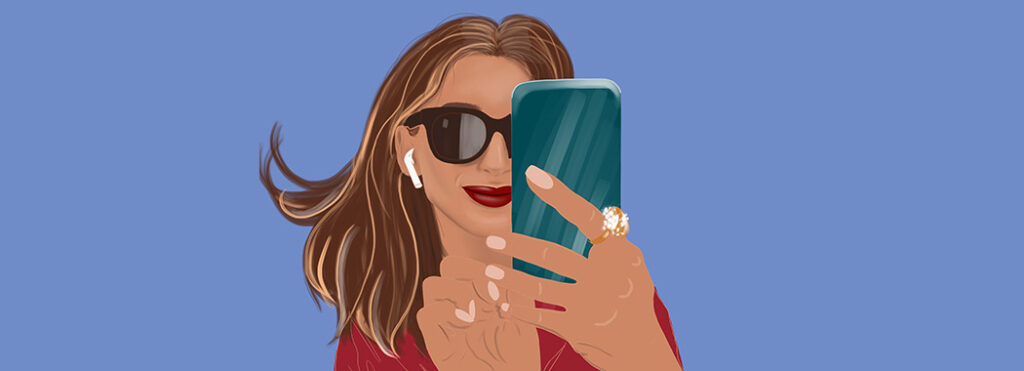
It’s to enjoy your smile It fills my
Free my thoughts, Free my feelings, Free my
My heart was a long-drawn-out sigh A whispering
My arms are not weak. Fragile and disposable.
The fallacy of pursuit of an idea or
The fallacy of pursuit of an idea or
Along my journey Through this world, Wandering Straying
If? I could write a lyric. If? I
How obtuse are we, Square x corners everywhere

Your individual beauty lights my life Your strength
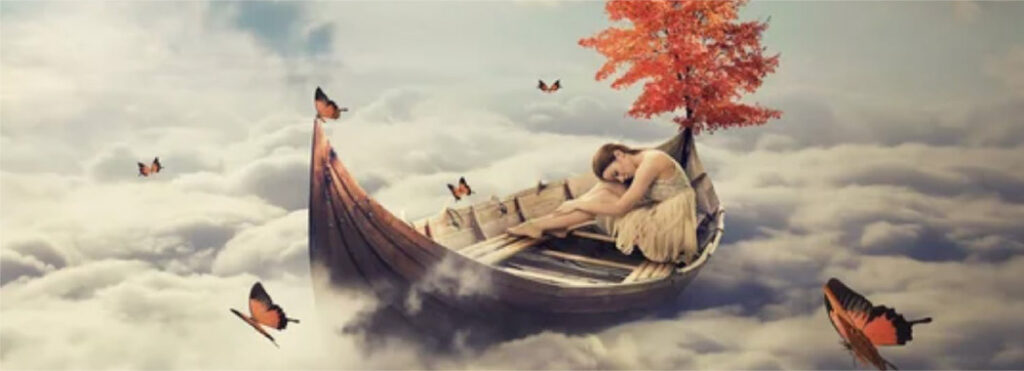
Draped in a waking dream, Not knowing what
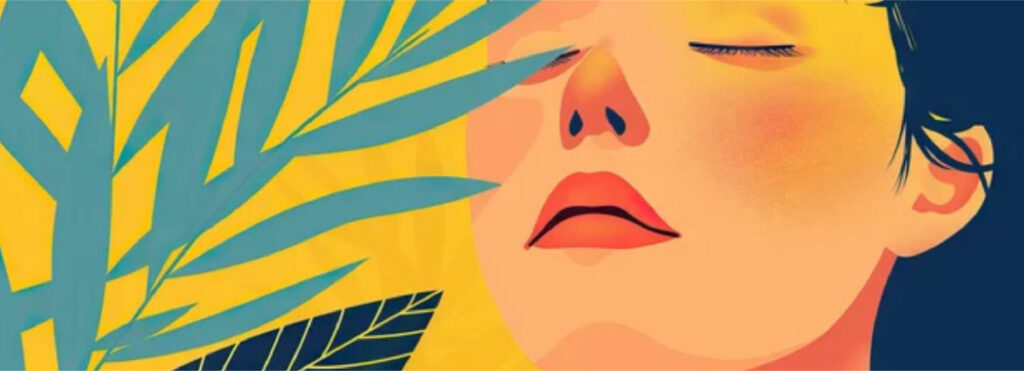
The next time you look in the mirror,
Christmas is a very specific day, For a
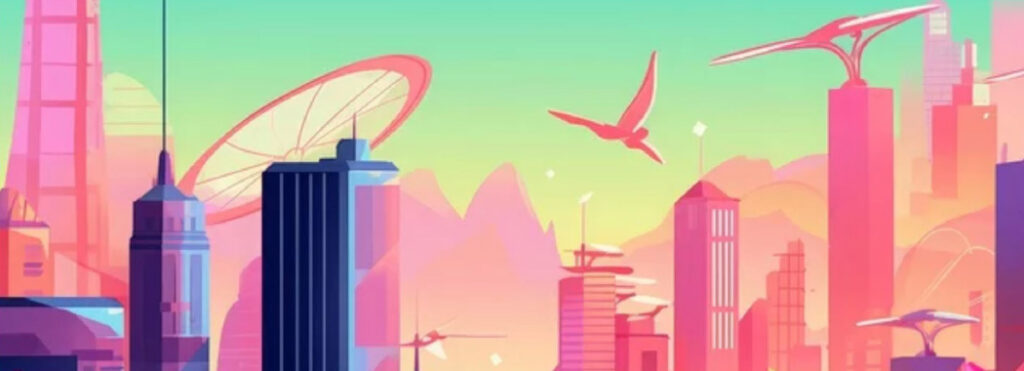
I fell in love with the future Not