0
Perfume on a Stranger’s Coat
Can I? I might need ears of wax—

A doubled, self-revising poem about encountering the Muse through crossed senses—seeing, feeling, hearing, tasting, naming her—that restates itself with variations, collapses into hairy arms and kamikaze flies, and admits that transcendence ends where real life (difficult sometimes, but real) begins.
This is one of the most formally interesting poems in Plahm’s catalog—a poem that writes itself, then rewrites itself, then dismantles both versions. The structure is a diptych with a coda: the first movement asks “Can I?” and catalogs the Muse through five senses in synesthetic translation; the second movement asks “Can I?” (bolded now, louder) and repeats the catalog with subtle variations; the coda abandons both versions for hairy arms, dead flies, and the admission that transcendence has its limits. The opening allusion is Homeric: “ears of wax” and “wings to singe at the edge” collapse Odysseus (who plugged his crew’s ears with wax to resist the Sirens) and Icarus (who singed his wings flying too close to the sun) into a single compound figure—the poet is both the man trying not to listen and the man who flies too close. “Because she is / real” is the problem: the Muse isn’t abstract; she’s actual, which makes her more dangerous than any Siren. The “chevalier or chevron? / candle or courier?” couplets are Plahm at his most compressed—knight or rank insignia? light source or messenger? Am I the noble thing or just the shape of the noble thing? The synesthetic catalog—see/image, feel/tremor, hear/hush, taste/salt-sweet, name/afterimage—is carefully constructed so each sense produces a response from a different sense. This is synesthesia performed, not described. And then the title line: “your perfume on a stranger’s coat.” This is the poem’s most devastating image—the Muse detected not on the beloved herself but on someone who merely passed near her. The scent is displaced, secondhand, a ghost of contact. The parenthetical “(my poise / my pose / my prose— / all ash / adrift)” is the poem’s most vulnerable confession: the three near-homonyms collapse into each other, revealing that the poet’s composure (poise), his performance (pose), and his art (prose) are all the same fragile thing, and all of them are burning. The second movement restates the first with key substitutions: “when I name you” becomes “when I think you” (more interior); “the hush” becomes “the sound” (more present); “the afterimage” becomes “the vision” (more active). The poem is trying to get the description right and can’t—the Muse keeps shifting. “Poise vs Pose vs Prose / (There isn’t one.)” is the poem admitting its own central confusion: there is no difference between the man, the mask, and the art. Then the coda detonates everything. “I have noticed, / as I get older, / my arms are getting hairy.” After all the Homeric allusion and synesthetic sophistication, the poem lands on arm hair. The kamikaze flies that “land, buzz, / die in my gravity” are simultaneously comic and existential—the poet’s body has become a planet with its own gravitational field, and the flies die simply by approaching. “I swat them. / So much for transcendence.” This is the poem’s thesis compressed to two lines: the body interrupts the spirit, always. The closing—”This muse ends— / as my life is lived. / Yes, / my life— / difficult sometimes, / but real”—circles back to the opening’s “she is real” and completes the argument: the Muse is real, life is real, and reality includes arm hair and dead flies alongside perfume and synesthesia. The poem refuses to choose between transcendence and the mundane because it knows they share the same coat.
One of the most formally sophisticated and emotionally honest poems in the catalog. The doubled structure—first draft and revision side by side—is a genuine innovation, showing the poet at work and admitting that neither version captures the Muse accurately. The substitutions between versions (name→think, hush→sound, afterimage→vision) are subtle enough that a casual reader might miss them, but their cumulative effect is significant: the poem demonstrates that perception of the beloved is never fixed, always shifting, always slightly wrong. The Homeric opening (wax ears + singed wings) is the richest allusion in Plahm’s work, compressing two mythological figures into a single predicament and establishing the Muse as both Siren and sun. “Chevalier or chevron?” is a couplet that rewards rereading—the near-homonym creates a genuine philosophical question about whether the self is substance or symbol. The title image—perfume detected on a stranger’s coat—is the poem’s masterpiece of compression: the entire experience of longing for someone who is present only as a trace on someone else. The poise/pose/prose triplet, collapsing into “all ash adrift,” achieves in eight words what many poems about the relationship between life and art fail to achieve in pages. And then the coda’s descent into arm hair and kamikaze flies is the poem’s bravest gesture—a deliberate sabotage of its own lyricism that, paradoxically, makes the lyricism more credible by showing it can survive bathos. “So much for transcendence” is simultaneously a joke and the poem’s most serious statement. The closing declaration—”difficult sometimes, but real”—earns its simplicity by coming after a poem of considerable complexity. The italicized “difficult sometimes” carries the weight of everything the poem hasn’t said directly: illness, aging, loneliness, the gap between the Muse imagined and the life lived. A poem that smells like someone else’s perfume and tastes like your own mortality.
Can I? I might need ears of wax—
I’m in the autumn of my life— not
Life is Aggression. The hitter survives; the hit
Death—Rebirth Requiem—Resurrection Life—Forever The veil of life, lifted-
I need to Materialize Reality Bring everything forward
The sun Was dripping Through the clouds Dried
All All Allways— The way is clear. Hi
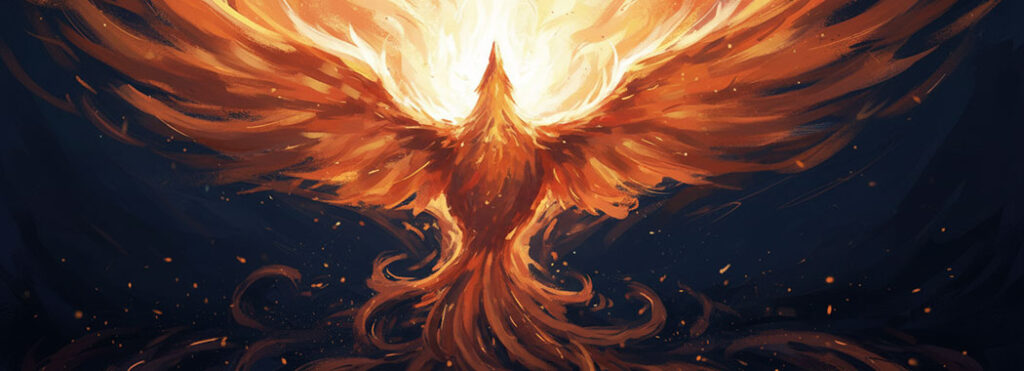
An image of a phoenix… in my mind.
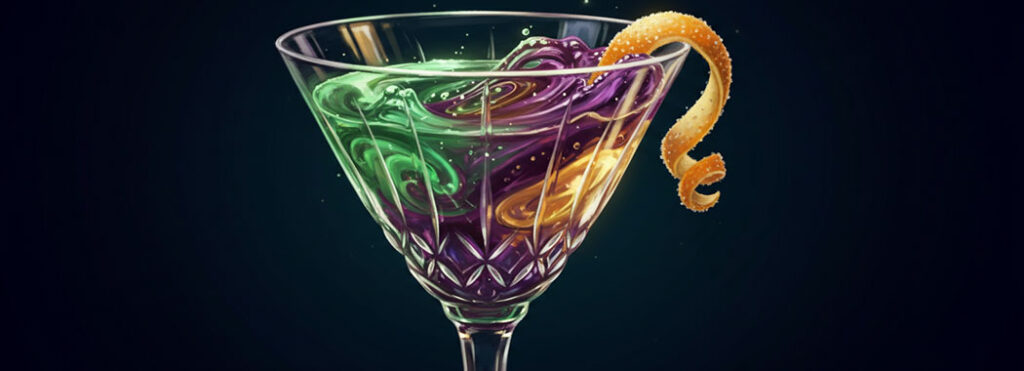
In search of reality, just some basics. The
The Word That’s nearly impossible to misspell: God
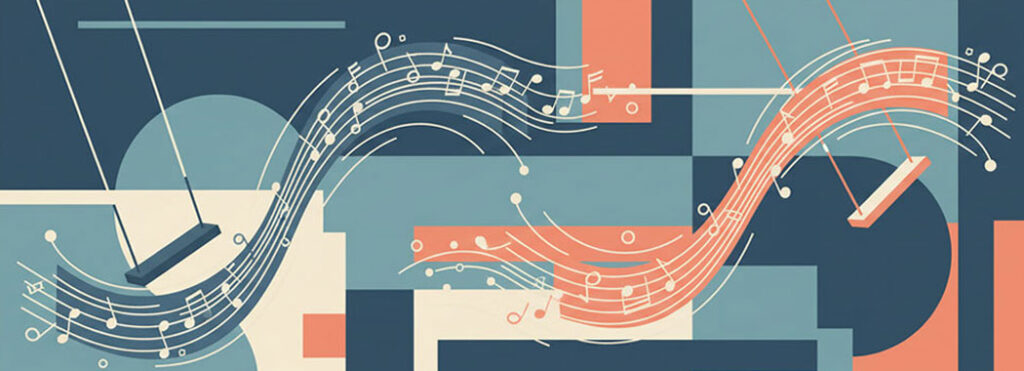
I swing— up and down. You swing— side

The Solitaire RazzleDazzleBerry on a Plate. A picture
The Wall I’m building one. Red brick. You’re

Why Isn’t There? (The whether or weather of
Why, why, why (The paradox of love.) Do

I wake thinking of you. I spend my
A life lesson offered For those who feel

An important part of our lives is our
Your OCD— Your Obsession— Obsessively Crafting Devotion Perfect.

I present her— Two envelopes. One with this
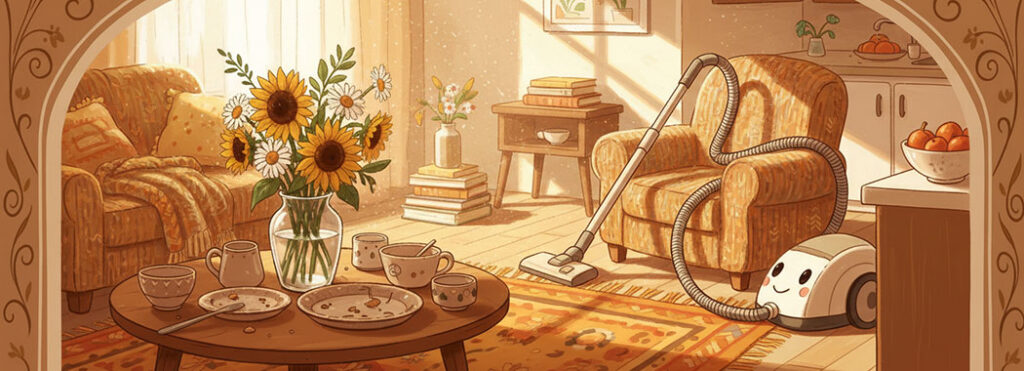
Domestic life… It’s Impossible After witnessing— A simple
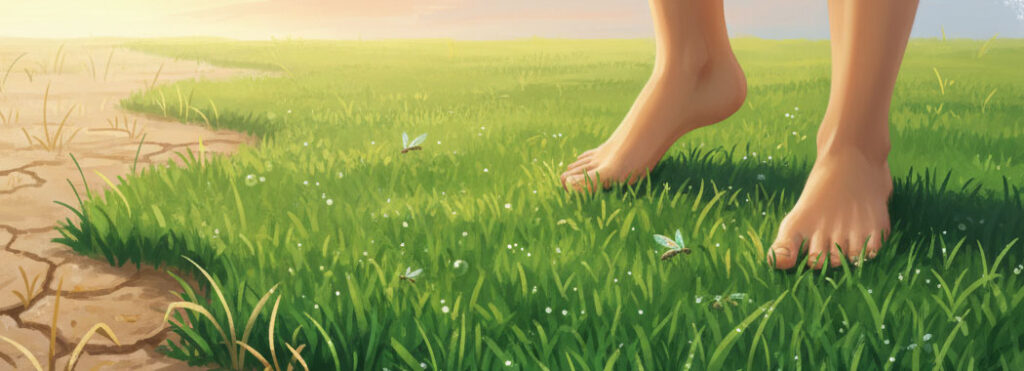
I was walking barefoot in the grass. Grounded

Drunk— in misery and eternal sadness my life
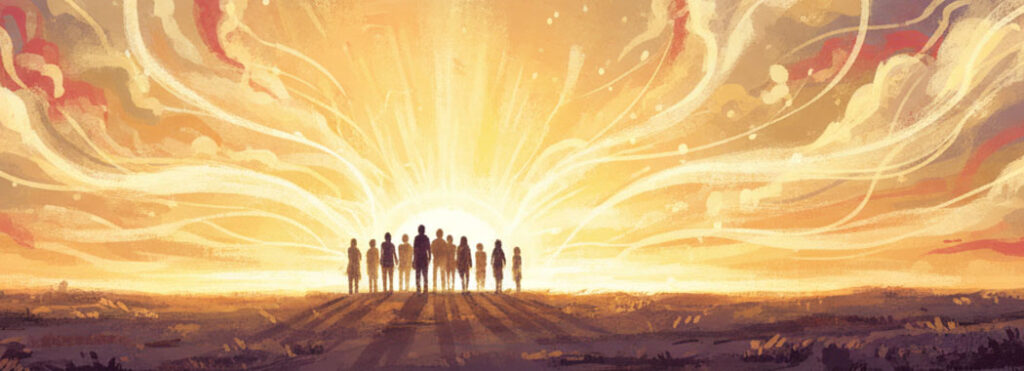
We all live in history, a very select

Of a Lady I don’t want to have
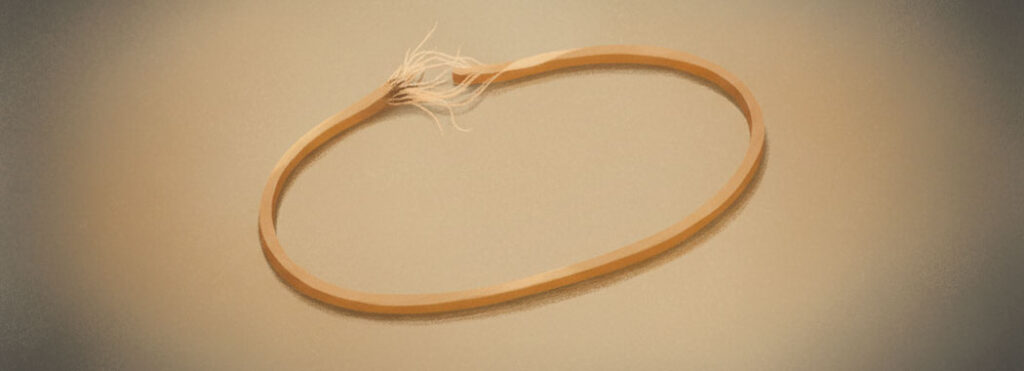
Only wanting to unite— its purpose forever— only

Way before George Floyd there was Pink Floyd
(Heartbeat of Memory & Dice of the Heart)

The first light of dawn, casting jewels of

After an excellent workout, the creative side overwhelms—
The Cat in the Hat For today’s world.
Why are there flys? Why are there Bubbles?
I’ll write this on a napkin and slip

(about Dreaming about Love) Sailing on a cloud,

Tears of joy— wash away the clouds, doubt
My Lovely Lady In your lovely ways, you

In your lovely ways, you gave me a

You are the One My thoughts are gentle,

Meow The tiny language of love in your
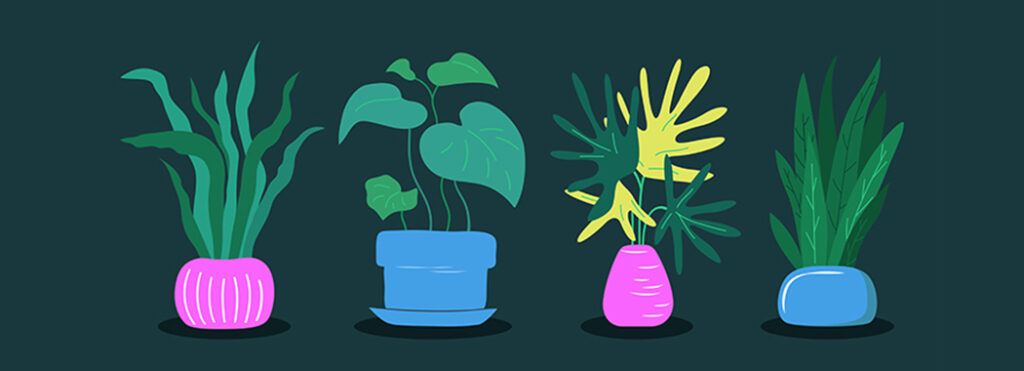
I have a plant. Her name is Lady.

What a naturally beautiful woman needs: You may

The night owl is still at it. But

Within All those beautiful curves There is A

I’ve determined my tingling hands the other day
—the HoneyBeeBard Love can be hated, and hate
A deliciously delightful distraction of conversation for a
Falling in love with falling in love. Sometimes
When the rush of feeling comes from knowing

Note: this started with a conversation with my

What’s more exacting? The physical act of painting?

Every penny, Every second, Of every dollar, Every

My shirt isn’t much— But it might be
Gold, gold, gold— draped in finery, a gown

This is a tribute to all my lovely

In the howling wind In the crashing storm

Like a wild animal Caught in the cold—
When A kiss from a rose tingles your

Ah, bedtime… Ok, this is a sleepy-bye lullaby.

My heart’s a spade it digs, digs, digs
I’ve often—well, maybe always— wondered why I find

For a good foundation, all we need are

You do know I find your beliefs Grounded
George Knows What is beautiful. The furry oracle

Burning Man The festival that embodies temporary community,

Yeah— I might need one. Yeah— A Permission

Your halo… I can see your halo. It’s

A Spiritual Tome following the Dance of the
From something heartfelt, to something disastrous, From something

Oh, how I’ve changed since meeting You. Your

A singular smile— A moment of mine, A
You’re still… a dream, a fantasy. A slow

(The dog’s perspective) RUFF RUFF— I dare you
Female friendships carry a kind of intimacy that

08-05-25 With this missive— I do not say,

A vast conspiracy… We once held belief in

My teeth are fake My nose broke twice—
Swaying back and forth down the path, the

(In absentia-just flush another toilet) When we have

Is your heart enough? On a hot, humid

I heard… There was a thing called— The
For who’s left… Read this at home In
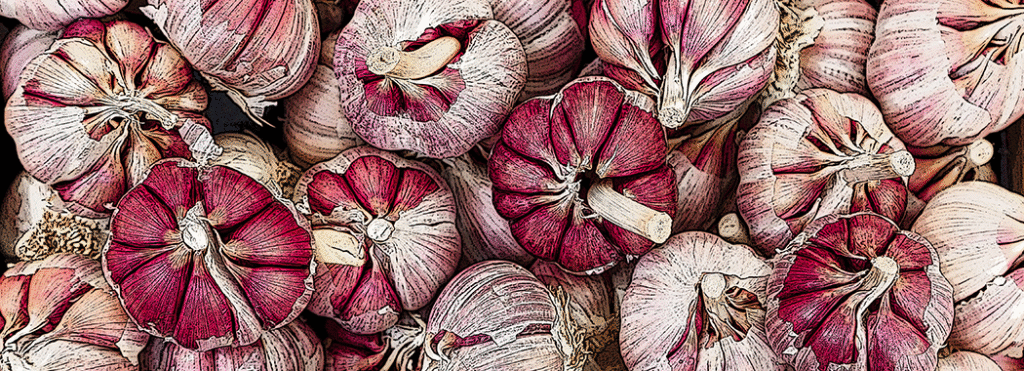
My dear, dear, dear— Dear garlic lover. My

When beauty is inherent Not just in appearance,

You, Gave me hope Gave me a vision

Yes, a simple addict in that pursuit for

(Self-Portrait–A Veritable Fable) The HoneyBeeBard Always in search
Addiction – Magic or Despair (If you remove
My Darling… Good morning. A spell for you.

Roses Are red Well… Not always. Violets Are
I’m an honest dude. Straightforward and true. I’m
Jazz is hip Jazz is cool Jazz is

So, how beautiful are you? Only the universe

How is it? That beauty grows with age.

[Verse 1] A little jazzy hip action, Keeps

Think Blue I’m hot, You’re so hot, I
We find personal shelter In simple acts of

Our hearts sometimes get full of holes. Drained

Gee whiz, indeed! Hello dreamer Start of Dance
Sometimes, at almost any time of the day,

My front side is up against your backside

By Muse…As suggested by My Muse How do

(Water holds the secrets) To Whales … With

HOW (Hell on Wheels) (Hope you’re on the

What is a penny? Worth? Expensive! Costs more
Print this on a napkin bold enough to

In my condition, My lower lumbar itches— but…
To impress you, I’ve expressed many Terms of

One of the things I find truly beautiful

A life-changing trip … A fifteen-minute read. From

sometimes… unknown— A short story A play A

A life-changing trip … A fifteen-minute read. From

Beauty demands Dedication. Dedication is Beautiful. Beauty invites

I was rewired When I walked in and

neuro divergence Blow your trumpets Announce My Arrival

A reflection on a brief retirement, And my
It Might be A manifesto, A mirror, A
How much Can a person Love another? Honestly?

Frozen in a moment The shape, the smile,

Sometimes— I feel like I’m ninety. Sometimes— I
in that moment between sleeping and waking this

My Personal Greek Tragedy Diamonds of Reflection (Prologue:

Goot e nuff— What you say When you’re

My trauma menu A Mad Max Happy Meal

Here’s My Incantation! Stir Gently. 6 Years What
True beauty Will always Find its audience Even

It’s my life experience. How is it You

The Light At the end of the Tunnel

Dry Rub and Dirty Talk When I Cook
I got a case of the feelies I

Life’s Maelstrom A senseless sea— Waves of emotion,

ACT I: THE WEIGHT TO SECRET LOVE Guilty:
All that we hate evaporates— A waste Of
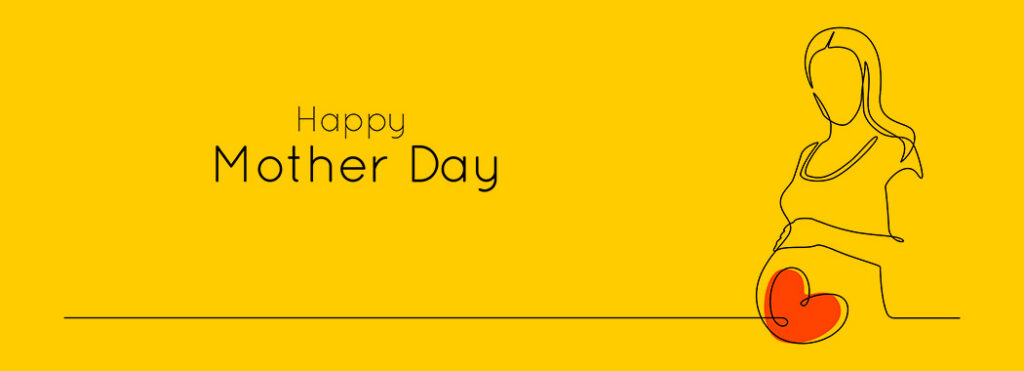
On Mother’s Day, we also acknowledge those who

With age comes strength Strength of will Strength

If I gave you a scratch pad and

The devil starts In my little finger. I’m
Poetry Inspiration flows from every direction – sometimes

Is life just a glow, Only stars in

Afterlight Wreckage Post Death It was a stark

A glance – a Wonder, A maybe, Like

If I linger in the quiet, Feel the

Dave’s Acronyms Akronyms. Akronomeous. Akrogreek, Akroignoramuse. Meaningless words,

So, your eyes twinkle, Your laughter sprinkles Us
The week has been long The day has
When is an idea born? What are the
Waiting to be explored That amazing sense of
It’s not over this illness still threads within.

What’s the secret sauce? To life. Hahaa, I
My hands are tingling. My feet are tingling.
How is it? That beauty grows with age.

“If you let facts speak Truth will be

Howdy! What’s on your mind? I had this

I made Eternal Chicken Soup It’s what I’ve
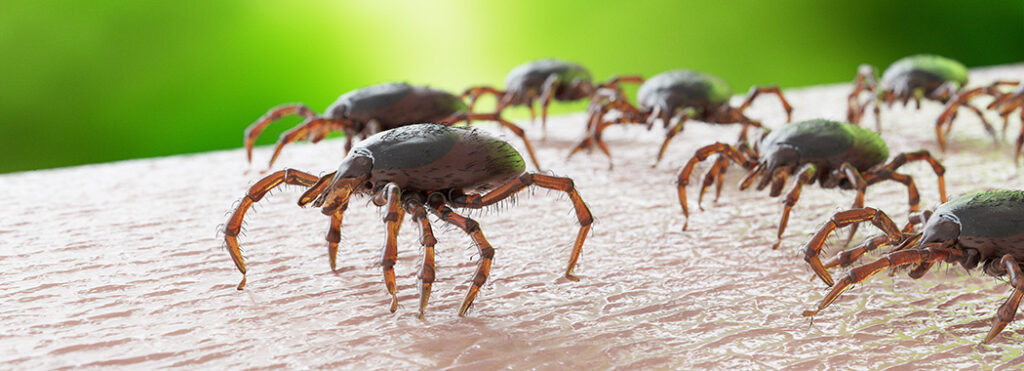
Very little food for two days Scared to

My fingers are twitchin’ My toes are wigglin’

I collapsed on the floor— Unknowingly letting go
My Memories continue… I am still alive …

A long slow burn then a smoky delectable
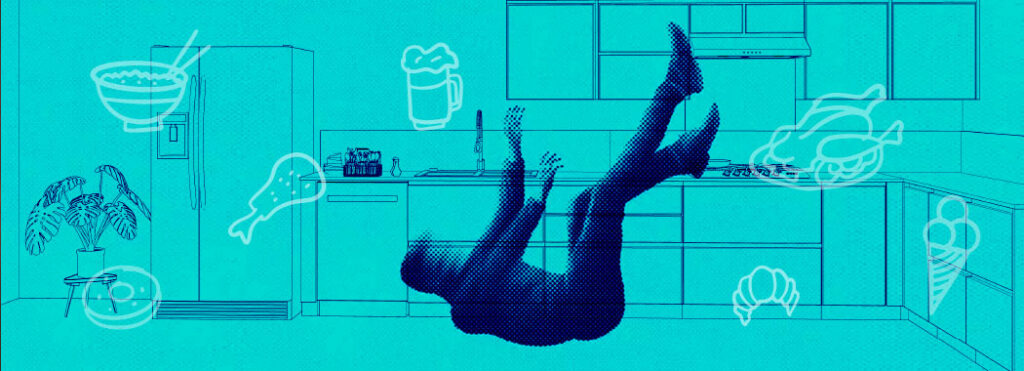
My hands are tingling. My feet are tingling.

I. At First Sight What? How? What Happened?

I’m enjoying the effort Even though the prize
It’s to enjoy your smile It fills my
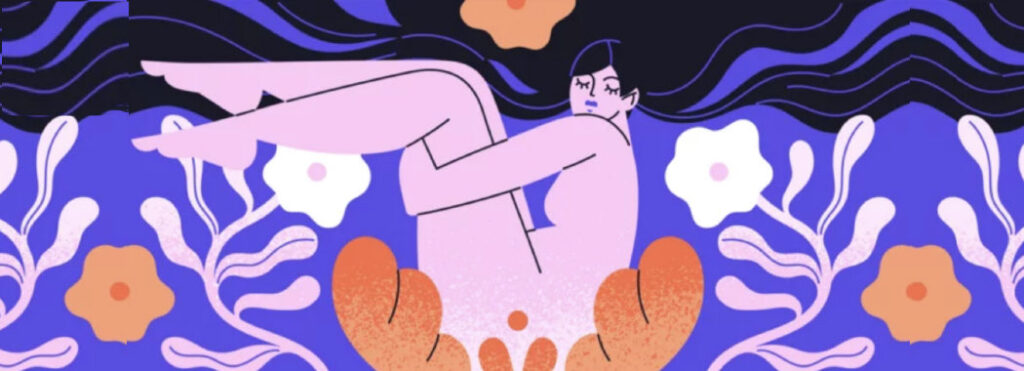
Free my thoughts, Free my feelings, Free my

My heart was a long-drawn-out sigh A whispering
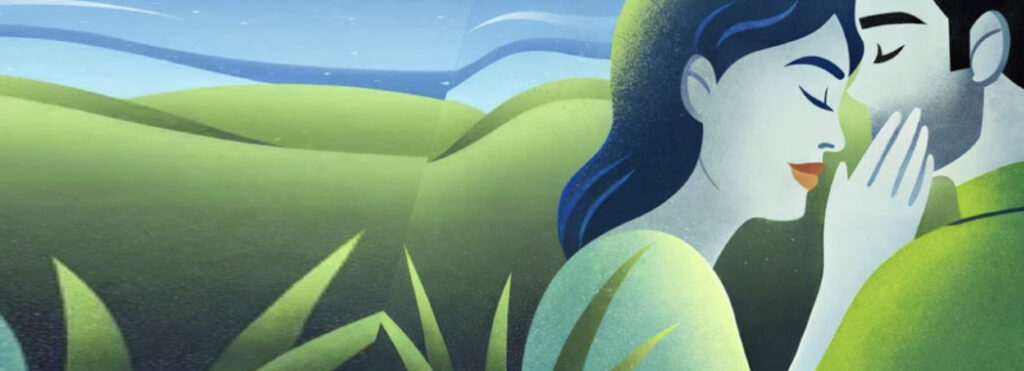
My arms are not weak. Fragile and disposable.
The fallacy of pursuit of an idea or
The fallacy of pursuit of an idea or
Along my journey Through this world, Wandering Straying
If? I could write a lyric. If? I

How obtuse are we, Square x corners everywhere

Your individual beauty lights my life Your strength
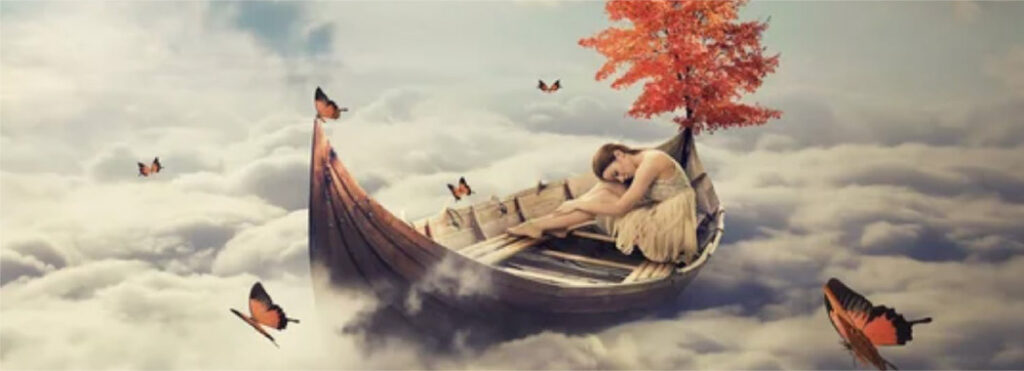
Draped in a waking dream, Not knowing what
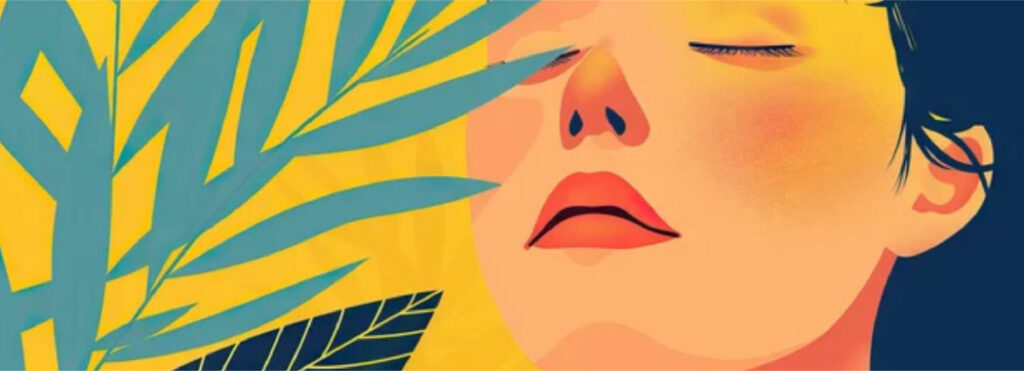
The next time you look in the mirror,

Christmas is a very specific day, For a

I fell in love with the future Not