A love poem that works by cataloging flaws, which is rarer and harder than cataloging virtues. The squirrel-tail brow is the standout — a comic, specific, faintly absurd image that...
The architecture is stronger than the surface. A poem that appears to be about wanting to die turns out to be about wanting someone in the room, and it makes...
A small poem that knows exactly how small it is, which is most of why it works. It reports one moment, resists every temptation to inflate it, and lands on...
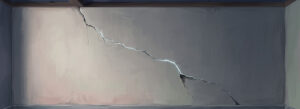
The architecture is what earns the score. A crack introduced as structural damage in the first sentence returns as a pavement fracture in the fourth section and as the opening...
The closing couplet is the poem’s reason for existing and it arrives properly earned. Redefining faith as combat rather than consolation is a real claim, and placing it last means...
The siren stanza is the reason to publish this. Taking the oldest image of dangerous attraction in the Western canon and reclassifying it as safety is a genuinely bold reading,...
Better built than a first reading suggests. The descending wealth is the obvious structure; the descending construction verbs running underneath it are the craft, and most readers will feel that...
The Chopin stanza is the reason to publish this. Locating her in the silence between the raindrops rather than in the notes, and having the nocturne learn her name over...
The rewrite fixes what the earlier version could not carry. Where the first attempt dismissed the neighbor in six flat lines of self-interruption, this one does it in four and...
Fifteen lines and not one of them idle. The poem sets a pattern in two stanzas, breaks it in the third, delivers its coinage, defines it, then explains its own...
The last third is worth the first two thirds, which is a difficult ratio to recommend. The Sheltie is the poem’s saving move. After thirty lines of Duchess, royalty, gold,...
Comic verse is harder than it looks, and this is well built. The logging conceit never slips, every image is drawn from the one trade, and the poem is disciplined...
Occasional verse that does considerably more than the occasion requires. The body-ladder is the technical achievement — indentation, heart count, and step number all ascending together, so the page performs...
The "Taste of Honey" page features ratings of David's poems. The ratings are organized in batches from David's most recent poems at the front to his earliest submissions at the back. You can use the page number and date buttons below the boxed content to navigate. Recommended for use when browsing. You can also locate ratings for David's poems by visiting the Poetry Blog, selecting a poem and clicking on the "Ratings" tab. Recommended for use when reviewing specific poems.